
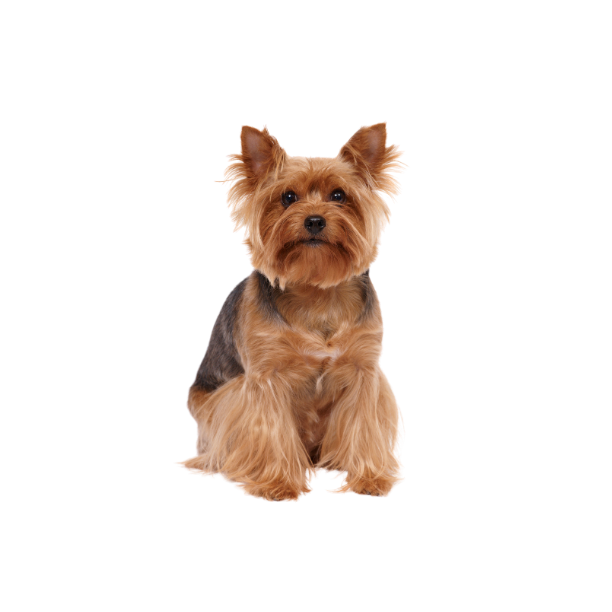



Understanding Yorkshire Terrier behavior
Are Yorkies easy to train ?
Yorkshire Terriers learn quickly when training is engaging and positive. Because they enjoy attention from their family, rewards and encouragement often produce excellent results.
This breed brings more energy than many people expect from such a small dog. Regular exercise and mental stimulation help maintain balanced behavior and reduce frustration-related habits.
Alertness contributes to frequent barking. While this trait makes Yorkshire Terriers effective watchdogs, it can become excessive without training. Teaching quiet commands early is often beneficial.






What truly makes the Yorkshire Terrier different is confidence. Few small dogs combine intelligence, determination, and adaptability so effectively. Whether living in a busy apartment or a larger family home, a well-trained Yorkie often becomes a lively and devoted companion.
Grooming and care for Yorkies
Grooming requirements for Yorkies
Yorkshire Terriers shed very little throughout the year. Their coat resembles human hair more than traditional dog fur, which contributes to the breed's reputation as a low-shedding companion.
Regular grooming remains essential. Brushing several times each week helps maintain coat health and prevents knots. Professional grooming appointments are commonly scheduled every six to eight weeks, especially for owners who prefer a neat appearance.
Drooling is almost nonexistent in this breed. Many owners appreciate the cleanliness that comes with a dog that rarely leaves wet marks around the house.



The Yorkshire Terrier stands apart from many other toy breeds because of its distinctive coat. While grooming demands are higher than average, the reward is a beautiful companion with minimal shedding and an elegant look.
Growth and lifespan of the Yorkshire Terrier
The compact companion breed
The Yorkshire Terrier is one of the smallest recognized dog breeds. Most adults stand between 18 and 23 cm tall at the shoulder, making them an excellent choice for owners seeking a compact companion.
Weight is equally modest. Most healthy adult Yorkshire Terriers weigh between 1,8 and 3,2 kg, although some individuals may be slightly larger. Their lightweight build contributes to easy portability and adaptability in apartments and smaller homes.
Despite their tiny size, Yorkshire Terriers often enjoy a long lifespan. Many live between 12 and 16 years, with some reaching even greater ages when provided with proper nutrition, exercise, and veterinary care.
What separates this breed from many others is the combination of longevity and personality. While physically small, the Yorkshire Terrier often displays confidence and energy that rivals much larger dogs.

Yorkshire Terrier nutrition & feeding tips
Balanced nutrition for a healthy Yorkie
Because they're small, calorie control matters. Too many treats can quickly lead to weight gain. Healthy fats also help maintain their skin and silky coat.
This breed need protein-rich meals to support muscle health and steady energy.
Dry, wet, or fresh food for a Yorkie?
They can thrive on dry food, wet food, or carefully balanced fresh diets. The best choice often depends on age, activity level, and dental health.
Yorkie puppy nutrition basics
Young Yorkies usually eat 3-4 times daily because of their tiny size and fast metabolism. Consistent feeding schedules help maintain stable energy levels and healthy growth.
Choose puppy food made specifically for toy breeds and avoid foods with excessive fillers.
Adult Yorkie diet and portion tips
Adult Yorkshire Terriers need balanced meals that support healthy weight and energy. Daily portions should match activity level, age, and metabolism to help avoid obesity.
Most adult Yorkies do well with measured meals twice daily. Treats should stay limited, especially for less active dogs living mostly indoors.
Common Yorkshire Terrier food sensitivities
Yorkies may be prone to dental issues and sensitive stomachs. Easy-to-digest food and regular dental care can support better overall health.
Certain Yorkshire Terriers react poorly to sudden diet changes or rich table scraps. Keeping meals consistent and avoiding excessive fatty foods usually helps prevent digestive upset.
Challenges of the Yorkshire Terrier
Barking and alert behavior
Yorkshire Terriers are naturally alert and often bark at sounds, strangers, or movement.
Teaching quiet commands early usually makes daily life much easier.
Grooming takes commitment
Low shedding comes with extra maintenance. Without regular grooming, the coat can quickly become difficult to manage.
Shorter trims can make grooming easier for busy owners.
Fragile size and injury risk
Yorkies are brave, but physically delicate. Jumping from furniture or playing too roughly may cause accidents.
Stubborn moments during training
Some Yorkies quickly learn commands yet choose when they want to listen. Training works best with consistency, rewards, and short lessons.
Fun Yorkie facts
Yorkshire Terriers originally worked in textile mills catching rats before becoming fashionable companion dogs.
Yorkshire Terriers often alert owners quickly when they hear unfamiliar sounds nearby.
Smoky the famous Yorkshire Terrier
Smoky, a Yorkshire Terrier from World War II, is considered one of the earliest therapy dogs in recorded history.
Frequently Asked Questions
Do Yorkshire Terriers bark a lot ?
Yes, Yorkies can be vocal. They're alert dogs and often bark at unfamiliar sounds or visitors.
Do Yorkshire Terriers shed ?
Yorkshire Terriers are low-shedding dogs, but their coat still needs regular grooming and brushing.
Can Yorkshire Terriers live in apartments ?
Yes, Yorkshire Terriers adapt very well to apartment living because of their small size and indoor-friendly nature.
Are Yorkshire Terriers good family dogs?
Yorkies can be loving family companions, especially with respectful older children and proper socialization.









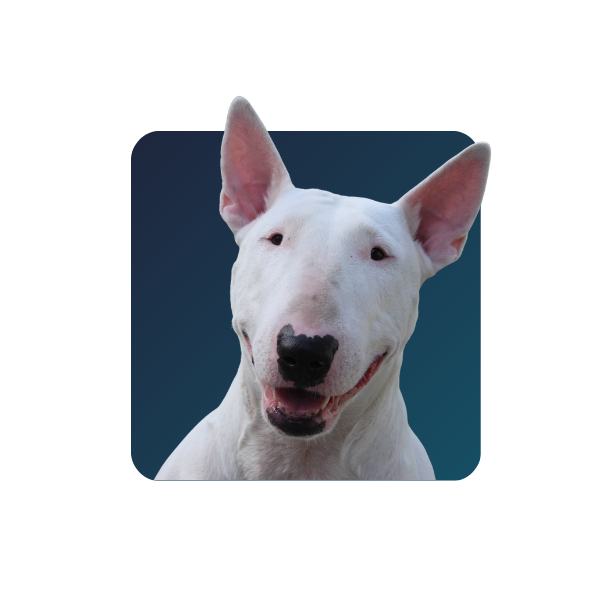
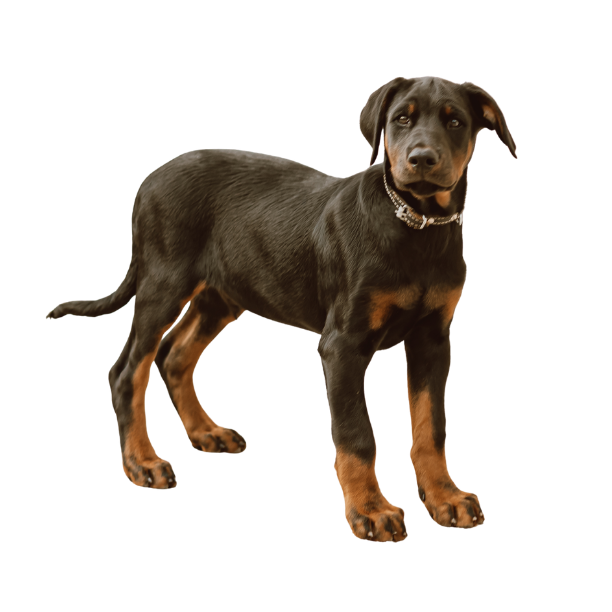
Compare Popular Dog Breeds
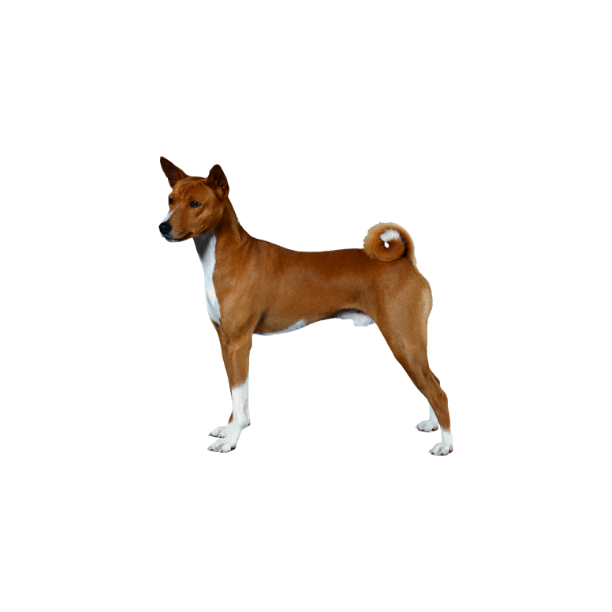
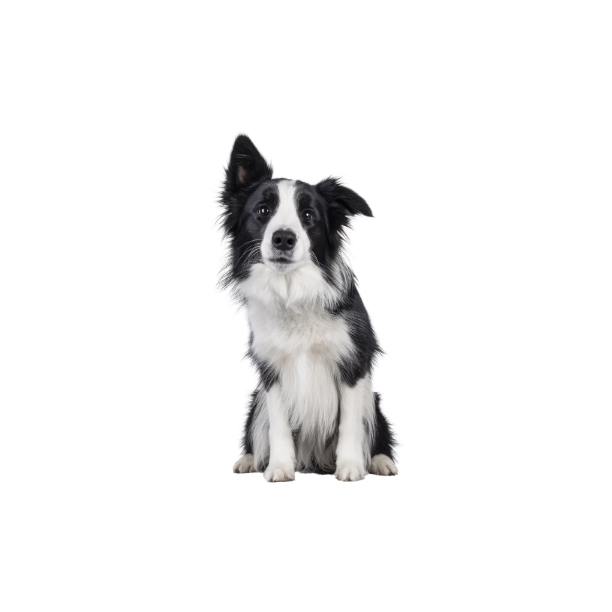
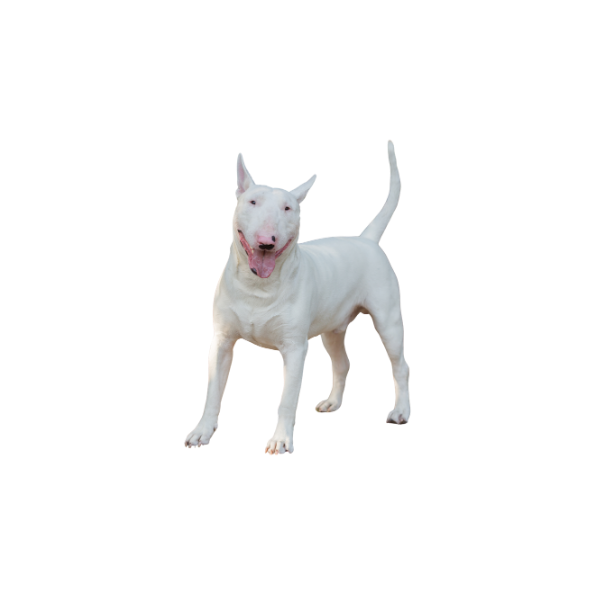
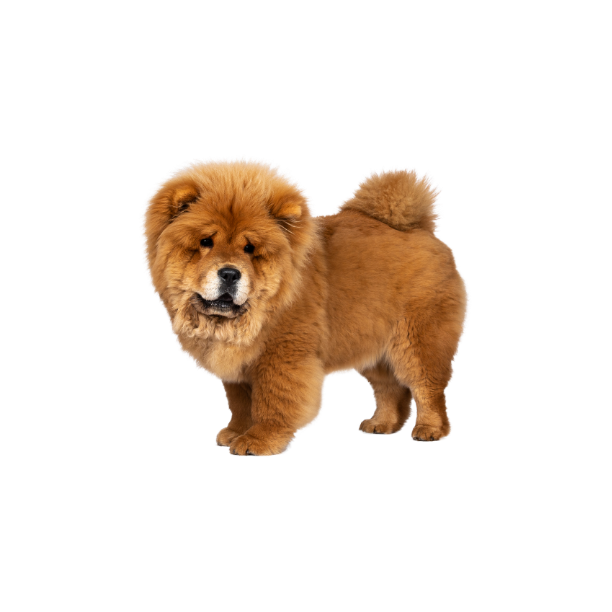
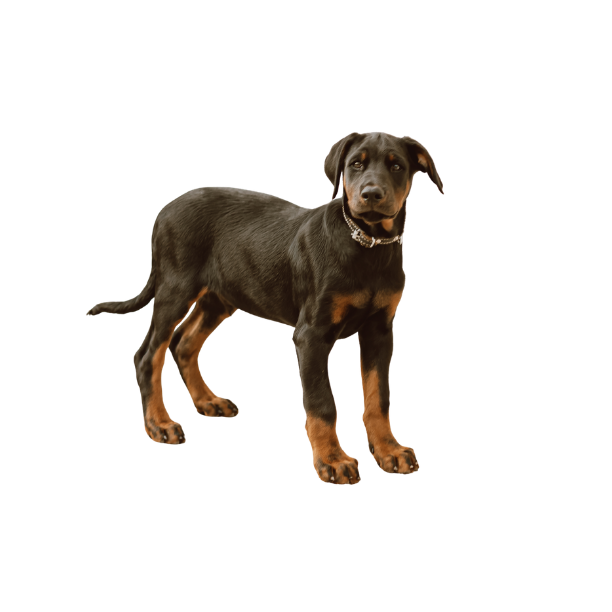
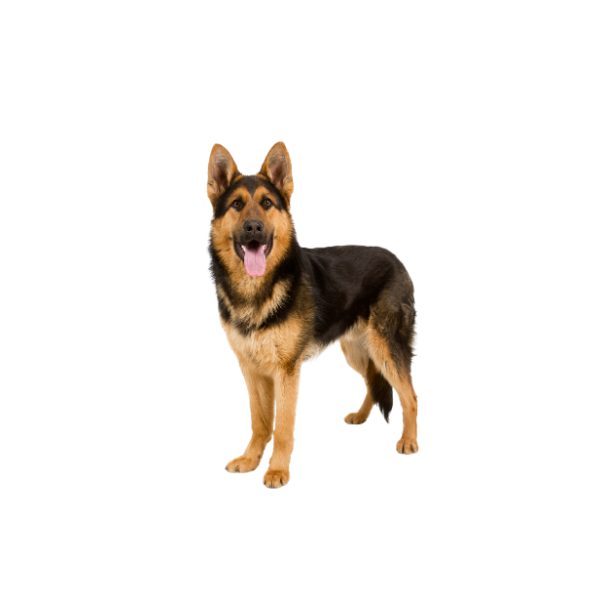
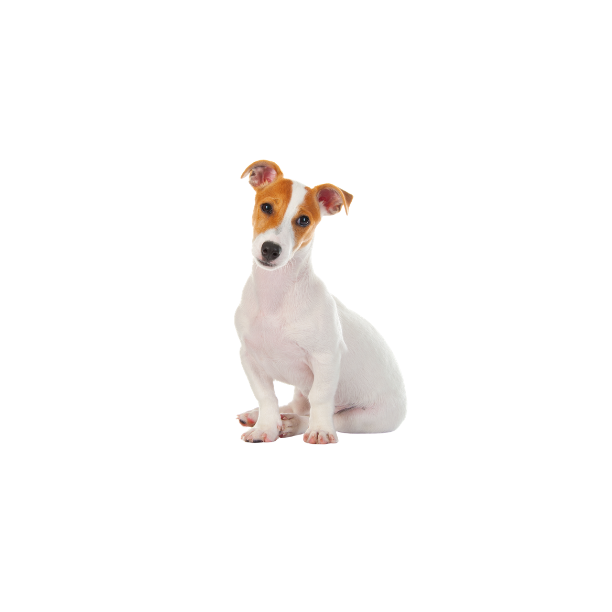
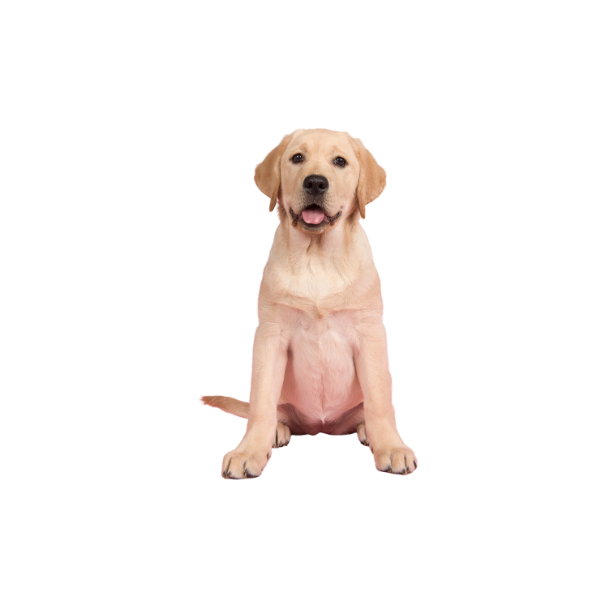
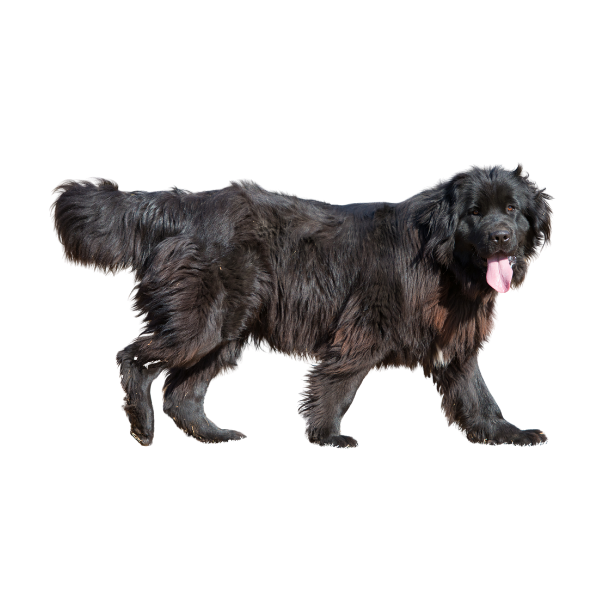
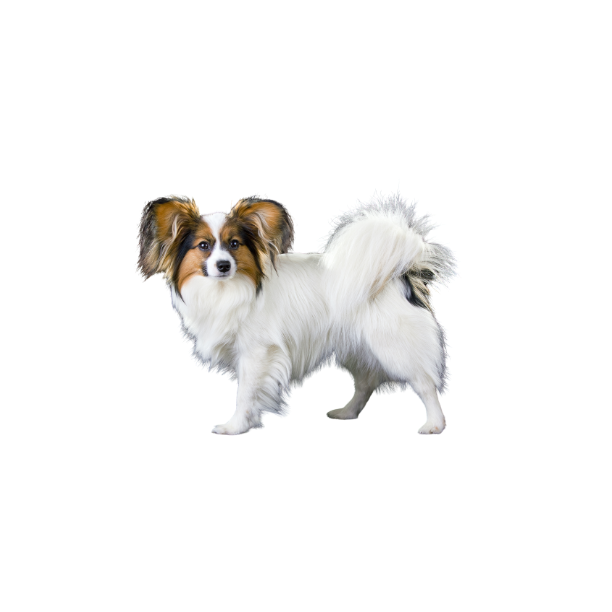
Whether you're looking for a playful family pet, a loyal protector, or a low-maintenance companion, our dog breeds comparison guide helps you compare dogs across key categories, from playfulness and trainability to energy level and grooming needs.
With simple ratings and clear insights finding your ideal four-legged companion becomes a lot more straightforward.
Social traits of the Yorkshire Terrier
Friendliness, playfulness and protective Instincts
Yorkshire Terriers are social dogs that love attention from the people they trust. Many enjoy cuddles, play sessions, and simply being near their family throughout the day.
Their relationship with other dogs varies depending on socialization and personality. While friendly with familiar canine companions, some Yorkies can be surprisingly bold when meeting unfamiliar dogs.
Strangers are often greeted with curiosity mixed with caution. Because this breed is naturally alert, Yorkshire Terriers frequently act as little watchdogs, notifying the household whenever something unusual happens.
Playfulness remains strong throughout life, helping this breed stay entertaining and engaging. The balance between affection and protectiveness is what truly sets the Yorkshire Terrier apart. Small in size but big in personality, this dog often behaves as though it is much larger than reality suggests.