
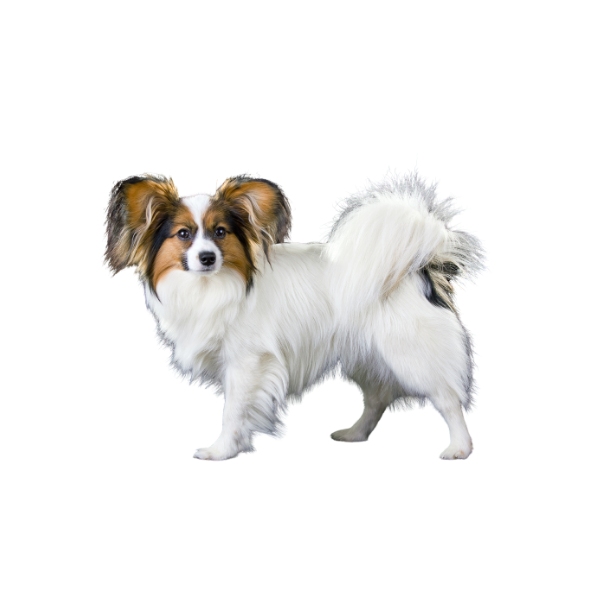



Papillon behavior: Smart, active and alert
Trainability, energy levels and barking tendencies explained
The Papillon is widely considered one of the most trainable toy breeds. This dog learns quickly, enjoys mental challenges, and often excels in obedience and agility activities.
Training sessions tend to be productive because the breed likes interacting with people and solving problems. Positive reinforcement usually delivers excellent results.




Energy levels are moderate to high for a small breed. Daily walks, games, and training exercises help keep this companion happy and balanced. Despite the active nature, the Papillon can adapt well to apartment living when exercise needs are met.
Barking is one area owners should pay attention to. The breed is naturally alert and may vocalize when hearing unfamiliar sounds or noticing visitors. Consistent training can help prevent nuisance barking.
Papillon grooming and daily care requirements
Shedding, grooming and drooling: What owners should know
The Papillon has a beautiful silky coat that looks high-maintenance but is often easier to care for than many people expect. Unlike double-coated breeds, the Papillon's coat rarely requires extensive trimming.
Brushing several times per week helps remove loose hair and prevents tangles from developing around the ears, chest, and tail. Regular grooming sessions also provide an opportunity to check skin and coat condition.
Shedding is generally moderate. While some hair loss occurs throughout the year, many owners find it manageable compared with heavier-shedding breeds.



Drooling is one of the breed's advantages. Most Papillons produce very little drool, making them a clean choice for many households.
Routine care should also include nail trimming, dental hygiene, and ear checks. Because the breed's ears are such a defining feature, keeping them clean is particularly important.
Papillon size, weight & lifespan: Small dog, long companion
A tiny breed with impressive longevity
Although the Papillon belongs to the toy group, this breed carries itself with remarkable elegance and confidence. Adults generally measure 20-28 cm tall and weigh 2-4,5 kg.
The breed develops quickly during puppyhood. Most growth occurs within the first 10 to 12 months, making nutrition and proper exercise especially important during this stage.
One of the breed's biggest advantages is longevity. A healthy Papillon commonly lives between 14 and 16 years, and some individuals exceed that range with excellent care and genetics.
The combination of longevity, intelligence, and manageable size makes the Papillon particularly attractive to families and first-time dog owners.

Papillon nutrition and feeding essentials
Understanding the Papillon's nutritional requirements
A balanced diet helps support the Papillon's active lifestyle. Quality animal protein should form the foundation of most meals, supported by healthy fats, vitamins, and minerals.
This breed typically has a fast metabolism, but owners should still monitor treats and table scraps carefully. Maintaining a healthy weight helps protect joints and overall mobility.
Choosing the best food for your Papillon
High-quality dry food is a popular choice for many Papillon owners because it is convenient and often supports dental health. Small-breed formulas are usually the easiest to chew.
Wet food can be useful for picky eaters or dogs needing extra moisture in their diet. Some owners also combine wet and dry food to add variety.
Fresh-food diets and carefully balanced raw diets are growing in popularity, but they require proper nutritional planning. Before making major dietary changes, consulting a veterinarian is recommended.
Feeding your growing Papillon puppy
Papillon puppies grow quickly and need nutrient-rich meals to support healthy development. Puppy-specific food formulated for small breeds is usually the best choice.
Young puppies often eat three to four meals daily. As they mature, feeding frequency can gradually decrease.
Balanced protein, healthy fats, calcium, and phosphorus all play important roles. Avoid overfeeding, as rapid weight gain can create future health concerns.
Adult Papillon feeding recommendations
Adult Papillons usually do best on measured meals rather than free feeding. This approach helps maintain a healthy weight and makes calorie intake easier to monitor.
Highly active dogs may need more calories than less active companions. Regular body-condition checks can help owners adjust portions when necessary.
What owners should watch for at mealtime
Food allergies are not especially common in Papillons, but they can occur. Symptoms may include itching, stomach upset, or chronic skin irritation.
Veterinary advice is recommended whenever persistent dietary concerns develop.
What future Papillon owners should know
Barking can become a habit
Many Papillons enjoy keeping an eye on everything happening around the home. Visitors, passing cars, or unusual sounds may trigger barking.
Consistent training from puppyhood can help prevent excessive noise and encourage calmer behavior.
Small size requires extra care
A Papillon may act fearless, but their body is still delicate. Supervision during playtime is often a good idea.
Families should teach children how to interact respectfully with smaller breeds.
May struggle with long hours alone
Papillons often form strong bonds with family members. Some individuals may become anxious if left alone for extended periods. Providing toys and enrichment activities can help during absences.
Gradual independence training can help build confidence.
Interesting things you may not know about the Papillon
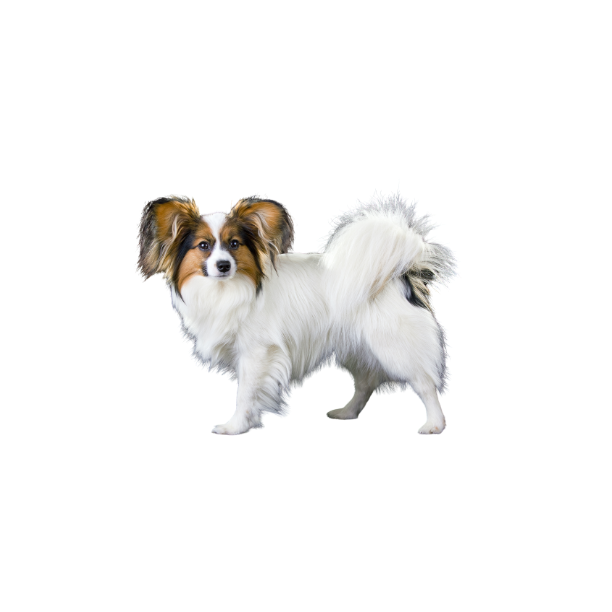
The name "Papillon" means "butterfly" in French. The breed earned this nickname because of its large, fringed ears, which resemble butterfly wings when viewed from the front.
Many European nobles and aristocrats kept Papillons as companions. Their presence in famous paintings helped make the breed recognizable around the world.
This breed is surprisingly athletic. Some Papillons enjoy jumping and climbing far more than owners expect from such a small dog.
Frequently Asked Questions
Are Papillons suitable for families ?
Yes. Papillons are affectionate, intelligent, and enjoy being involved in family activities. They often form strong bonds with both adults and children.
Can a Papillon live in an apartment ?
Absolutely. The breed adapts well to apartment living when provided with daily exercise, mental stimulation, and companionship.
Do Papillons bark a lot ?
Papillons can be vocal because they are naturally alert. Early training helps manage barking and prevents excessive noise.
Are Papillons good for first-time owners ?
Yes. Their intelligence, manageable size, and eagerness to learn often make Papillons a strong choice for first-time dog owners.










Compare Popular Dog Breeds
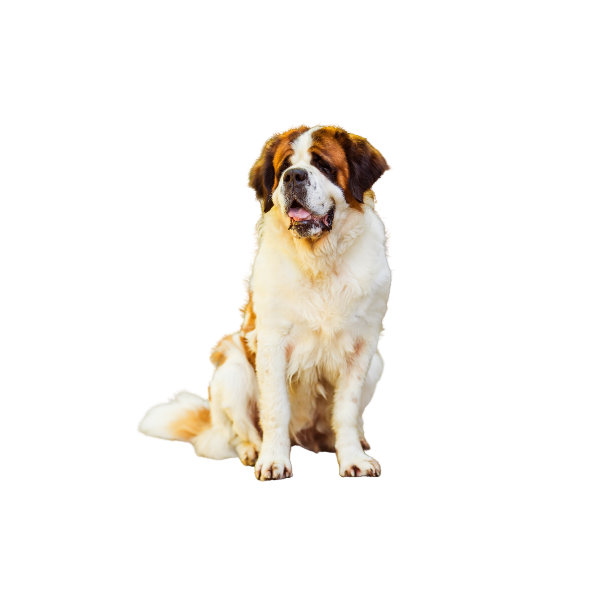
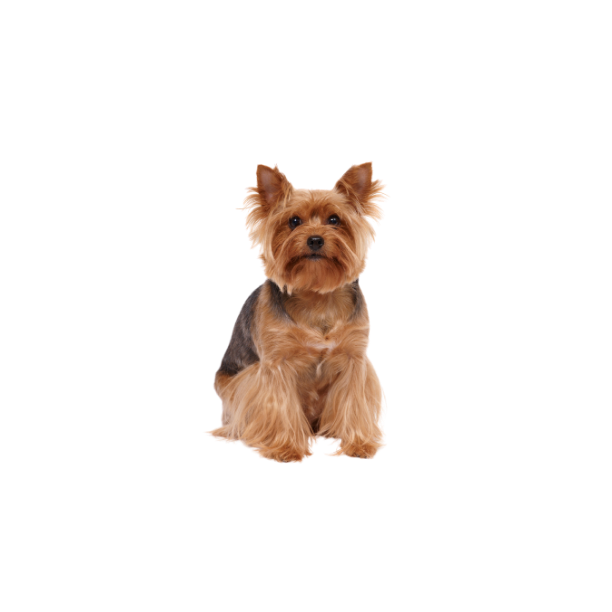
Whether you're looking for a playful family pet, a loyal protector, or a low-maintenance companion, our dog breeds comparison guide helps you compare dogs across key categories, from playfulness and trainability to energy level and grooming needs.
With simple ratings and clear insights finding your ideal four-legged companion becomes a lot more straightforward.
Social traits of the Papillon: Friendly, alert and full of character
How the Papillon interacts with children, dogs and strangers
One of the Papillons greatest strengths is adaptability in social situations. This breed often enjoys attention and typically likes being near people.
Children who treat dogs respectfully usually build strong relationships with a Papillon. The breed's cheerful attitude can make family life more entertaining and active.
Many Papillons coexist well with other dogs, especially when introduced properly. Early socialization helps build confidence and encourages positive behavior.
With strangers, reactions can vary from immediate friendliness to cautious observation. Either way, aggressive behavior is uncommon.
Perhaps the most unique feature is the balance between elegance and enthusiasm. The Papillon looks refined but often behaves like a playful adventurer, ready to explore, learn, and connect with everyone around them.