

Labrador Retriever

sporting

10-12 years

Newfoundland
Why Labrador Retrievers win so many hearts
The Labrador Retriever is one of the world's most loved dog breeds for good reason. They are loyal, playful, and easy to live with. Labs enjoy attention, outdoor adventures, and family time.
Labrador Retriever behavior: Easy training with high energy
Smart, active, and ready to learn
The Labrador Retriever is highly trainable and often eager to learn. This makes the breed a good choice for first-time dog owners who want a responsive companion. Training usually goes smoothly when sessions are consistent and positive.
Energy levels are high, so daily exercise is important. Without enough activity, this dog may become restless or chew on items at home. Barking is generally moderate, often used for attention or excitement rather than constant noise.




What makes this dog unique is its strong desire to please. This helps during training but also means it needs guidance and structure from the family.
Labrador Retriever care & grooming needs
Simple care with a little extra shedding
This breed has a low-maintenance coat, which makes grooming manageable for busy families. However, shedding is consistent throughout the year, with heavier periods in seasonal changes.
Bathing is occasional, and brushing a few times per week helps keep the coat healthy. Drooling is minimal for most Labrador Retrievers.



Labrador Retriever growth & life expectancy
A strong and balanced medium-large breed
This breed grows into a sturdy, well-balanced adult. Labrador Retrievers commonly reach 55-62 cm tall and 25-36 kg in weight, depending on sex and genetics.
Their lifespan is generally 10-12 years. A healthy routine, including walking and controlled feeding, supports long-term wellbeing.

What to feed a Labrador Retriever at every age
Understanding Labrador Retriever nutrition
Labs are energetic dogs that burn plenty of energy, but they are also prone to overeating. Balanced nutrition and measured portions help keep them healthy.
A steady feeding routine works best for most adults.
Food options that work well for Labs
The best food type depends on your Labrador Retriever's activity level, age and sensitivities. Some dogs prefer kibble while others enjoy fresh or lightly cooked meals.
Consistency and portion control matter most.
Labrador Retriever puppy nutrition basics
Most Lab puppies eat three to four times daily during early growth stages. Portion control is important because Labs are naturally enthusiastic eaters.
Choose foods made specifically for large-breed puppies.
Keeping adult Labs healthy through nutrition
Adult Labrador Retrievers need controlled portions to maintain a healthy weight. Active dogs may need more calories, while less active Labs usually need lighter meals.
Most adults do well with two measured meals per day. Regular exercise and calorie awareness help keep joints and energy levels healthy.
Health and diet concerns for Labs
Labs can be prone to obesity, joint strain and occasional food allergies. Weight management is especially important because extra weight adds pressure to hips and elbows.
Balanced diets support healthier movement.
Reward ideas that work well for Labs
Labs usually respond enthusiastically to positive reinforcement and food rewards. Healthy treats paired with balanced meals help maintain energy without excess calories.
Challenges every owner should know
A dog that needs movement
Labrador Retrievers are energetic dogs that need regular physical activity. Without enough exercise, they can become restless, overly excited, or destructive around the house.
Owners with very limited time may struggle to meet their daily activity needs.
Separation anxiety and loneliness
Labs are social dogs that enjoy being around people. Too much isolation can lead to frustration and anxious behavior. Some develop chewing or barking habits from boredom and stress.
Owners who are away for most of the day may need extra support, training or dog-walking help.
Heavy shedding
Labrador Retrievers shed more than many people expect. Their dense double coat releases hair year-round, especially during seasonal changes.
Vacuuming becomes part of the routine pretty quickly.
Weight gain risk
Labrador Retrievers are famous for loving food, which can lead to weight gain.
Balanced nutrition and activity are key parts of responsible ownership.
Surprising Labrador Retriever facts
Labs often lean on family members as a sign of comfort, affection, and wanting attention.
Early Labs worked alongside fishermen, helping retrieve nets and ropes from cold Atlantic waters.
Their strong noses and trainability make them skilled in search-and-rescue and detection work.
Marley from Marley & Me
Marley became one of the most famous Labrador Retrievers thanks to his chaotic but lovable personality.
Frequently Asked Questions
Are Labrador Retrievers good for first-time owners ?
Yes. Their trainability and friendly nature make them a common choice for beginners.
Can Labrador Retrievers live in apartments ?
They can, but they need daily exercise and enough mental stimulation to stay happy indoors.
How much exercise does a Labrador Retriever need ?
Most adult Labs need at least 1-2 hours of activity each day.
Do Labrador Retrievers shed a lot ?
Yes. Labs shed year-round and usually shed heavily during seasonal coat changes.










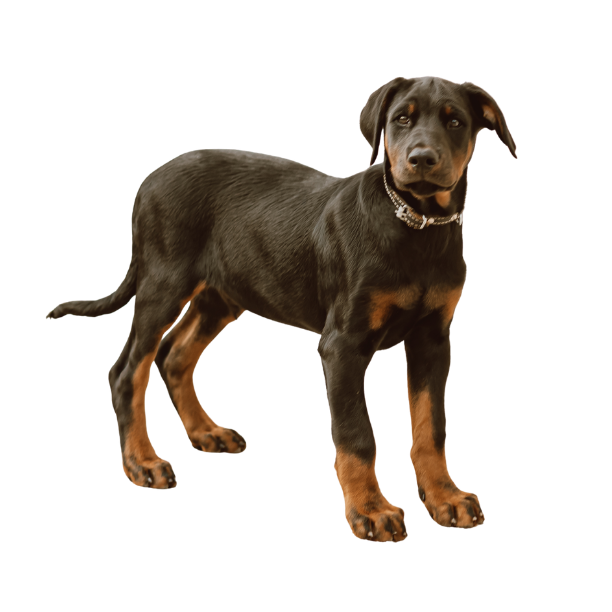
Compare Popular Dog Breeds
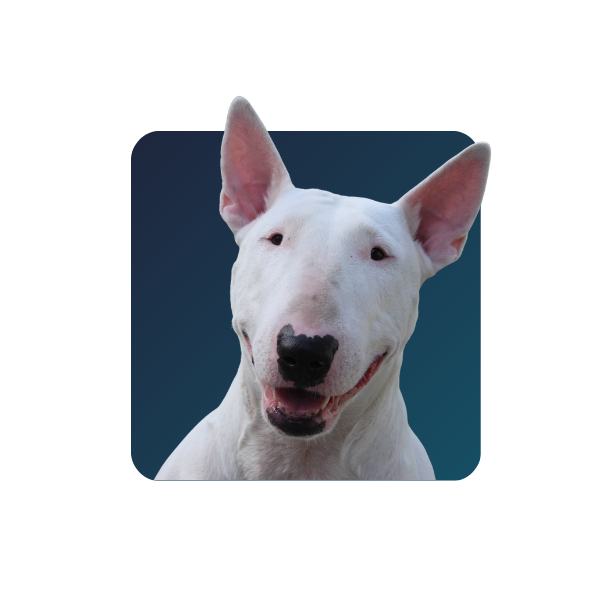
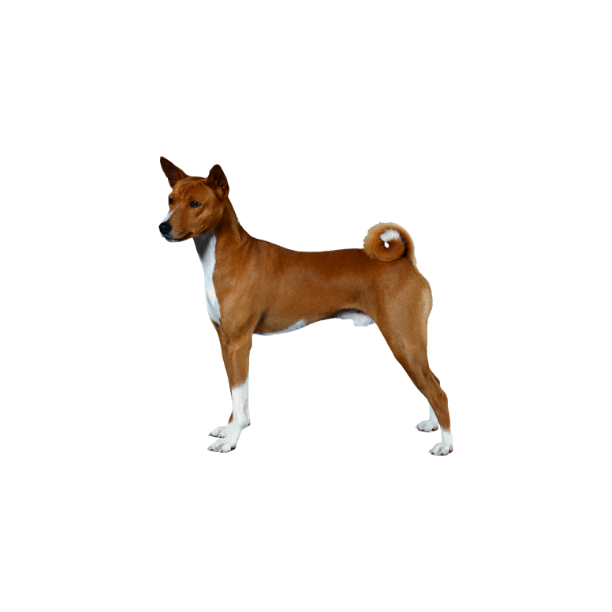
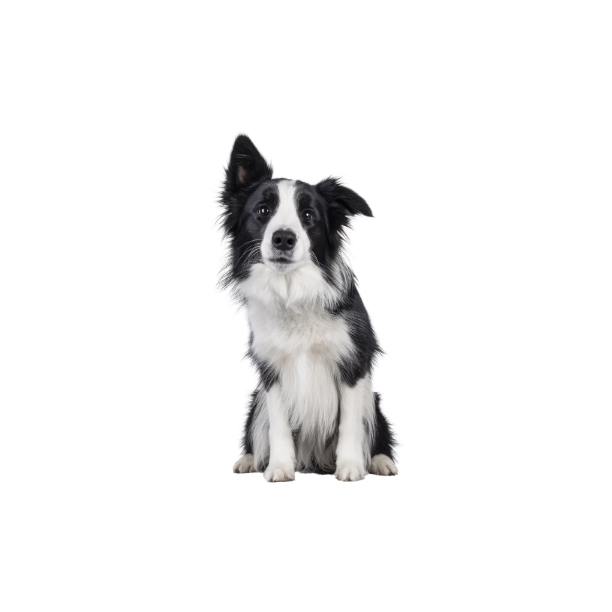
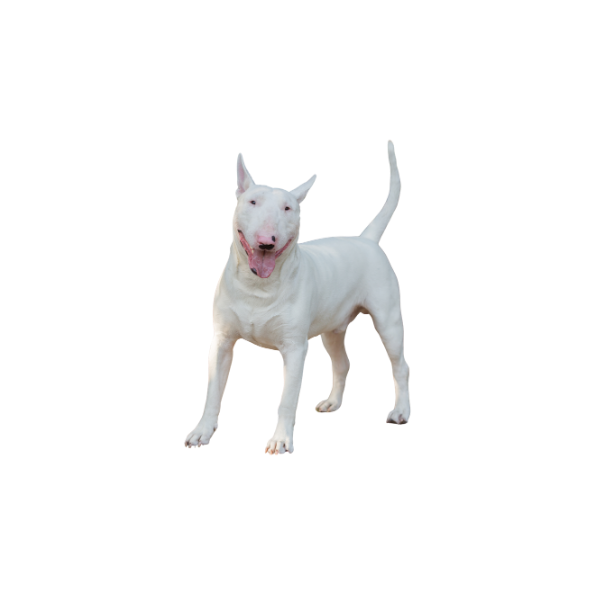
Whether you're looking for a playful family pet, a loyal protector, or a low-maintenance companion, our dog breeds comparison guide helps you compare dogs across key categories, from playfulness and trainability to energy level and grooming needs.
With simple ratings and clear insights finding your ideal four-legged companion becomes a lot more straightforward.

The social side of the Labrador Retriever
Friendly by nature, playful by choice
The Labrador Retriever is widely loved for its gentle and social personality. This dog usually gets along very well with children, showing patience and a calm attitude even in lively homes. With other dogs, Labradors are typically friendly and open, making park visits and shared spaces smooth and stress-free.
Around strangers, this companion is often welcoming rather than shy or defensive. While they can show a protective side when needed, Labradors are not aggressive guard dogs. Instead, they focus on connection and trust.
What sets this dog apart is its balance: playful enough to keep up with active families, but steady enough to relax indoors. That mix makes the Labrador Retriever a dependable family companion.