
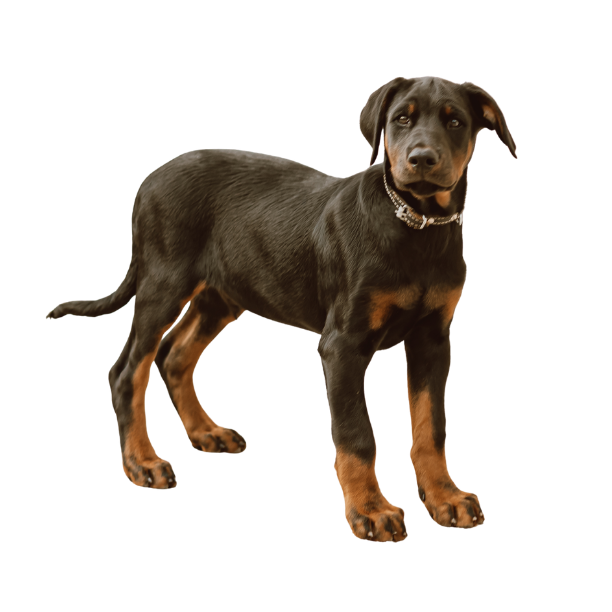



Trainability & behavior of the Doberman Pinscher
How easy is it to train a Doberman ?
The Doberman Pinscher is highly trainable and responds well to clear, consistent guidance. This breed learns quickly, especially when training starts early and stays structured.
Energy levels are high, so daily activity is important. Without enough exercise, this dog may become restless. Barking is usually purposeful rather than constant, often tied to alerting or protecting the home.




What makes this breed different is its combination of intelligence and drive. It needs mental challenges, not just physical movement. In a first-time dog home, success depends on routine and calm leadership.
Keeping a Doberman healthy and happy
Doberman coat care and cleanliness explained
This breed is known for its short coat, which keeps grooming straightforward. A quick brush each week is usually enough.
Shedding is present but not overwhelming. Drooling is light compared to many larger breeds.



What makes this breed different is that care is less about grooming complexity and more about activity needs. A busy lifestyle fits this dog best.
Doberman Pinscher growth and physical traits
Overview of Doberman Pinscher size, weight, and lifespan
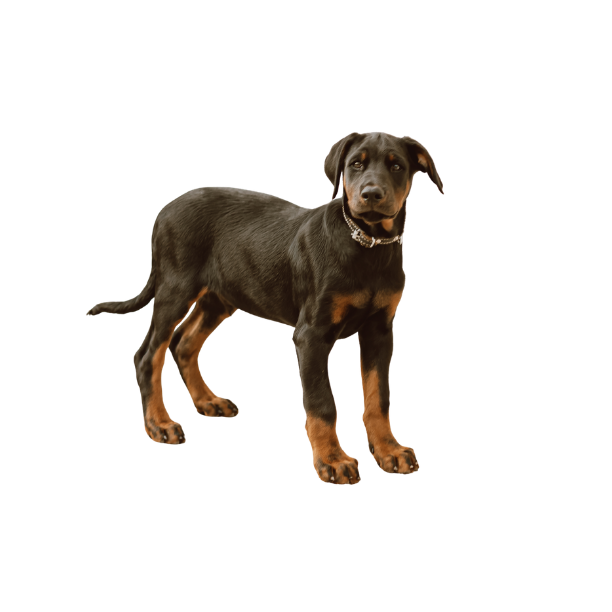
The Doberman Pinscher is a medium-large, athletic dog. Males typically stand around 66-71 cm and weigh 34-45 kg. Females are slightly smaller at about 61-66 cm and 27-41 kg.
Life expectancy is usually 10-12 years with proper care. This breed has a lean, muscular build designed for speed and endurance.
This breed stands out for its athletic structure, combining speed, strength, and endurance in one frame.

What to feed a Doberman at avery age
Balanced feeding for a healthy Doberman
This breed benefits from balanced nutrition with protein, moderate fat, and controlled calories. Active Dobermans may require more energy-rich meals.
Avoid excessive treats that can quickly add extra calories. Joint support ingredients can also help long-term mobility.
Choosing the right food for a Doberman
The best food type depends on activity level, age, and health needs. Some Dobermans prefer kibble, while others enjoy fresh or mixed diets.
A combination of dry and wet food often works well for convenience and nutrition. Consistent meal schedules usually help digestion and energy levels.
Doberman puppy nutrition basics
Portion control is important because rapid growth can stress developing joints. Choose food with proper calcium and phosphorus levels.
Young puppies usually eat three to four meals daily before transitioning to fewer meals as they grow. Avoid excessive treats and foods high in fat or salt.
Feeding an adult Doberman the right way
Lean muscle is part of the Doberman's signature look, so calorie management matters. Healthy adults benefit from quality protein, controlled treats, and regular activity.
Most adult Dobermans do well with two measured meals daily. Consistent feeding routines can support digestion and energy balance. Adjust portions based on exercise and body condition.
Watching for digestive and food issues
Dobermans may react to certain proteins or fillers in lower-quality foods. Monitoring skin, coat, and digestion can help spot issues early. Always speak with a veterinarian about ongoing symptoms.
Large meals eaten too quickly may increase the risk of bloating in this deep-chested breed. Many owners use slow feeders or smaller meals throughout the day.
Common Doberman challenges and how to handle them
Endless energy can be a lot
This breed has serious energy levels and enjoys staying busy. Owners who prefer a quiet, low-energy dog may struggle.
A bored Doberman often finds its own entertainment, and that can mean chewing, pacing, or barking. Physical exercise alone usually isn''t enough. Mental stimulation matters too.
Socialization is extremely important
Dobermans naturally watch over their family and home. Without early socialization, this protectiveness can become excessive. Positive exposure to people and environments helps build confidence.
This breed tends to notice everything happening around them. Calm training helps prevent overreacting to unfamiliar situations. Consistency matters from puppyhood onward.
Training requires patience
This breed learns quickly, including bad habits. Owners need consistency and patience from the beginning.
Firm but fair training builds trust much faster. Mixed signals can confuse them.
Separation anxiety can develop
Dobermans often form intense bonds with their people and may struggle with long periods alone. Loneliness can lead to anxiety or destructive habits.
They thrive best in homes where someone is around regularly.
Surprising things about Dobermans
The Doberman breed was developed in Germany by a Tax Collecter named Karl Friedrich Louis Dobermann, who wanted a loyal protection dog.
Dobermans are known for reacting quickly and staying focused, especially during training and high-pressure situations.
Apollo from Magnum P.I.
The Doberman Apollo from the TV series Magnum P.I. helped popularize the breed's confident and protective image.
Frequently Asked Questions
Are Doberman Pinschers good for first-time owners ?
They can be challenging for first-time owners because they need training, structure, and regular activity.
Are Doberman Pinschers easy to train ?
Yes. Dobermans are highly intelligent and usually learn quickly with consistent, positive training.
Are Doberman Pinschers good family dogs ?
They can be excellent family dogs when properly trained and socialized from an early age.
Are Doberman Pinschers good with children ?
Many Dobermans are affectionate and protective with children they know well.




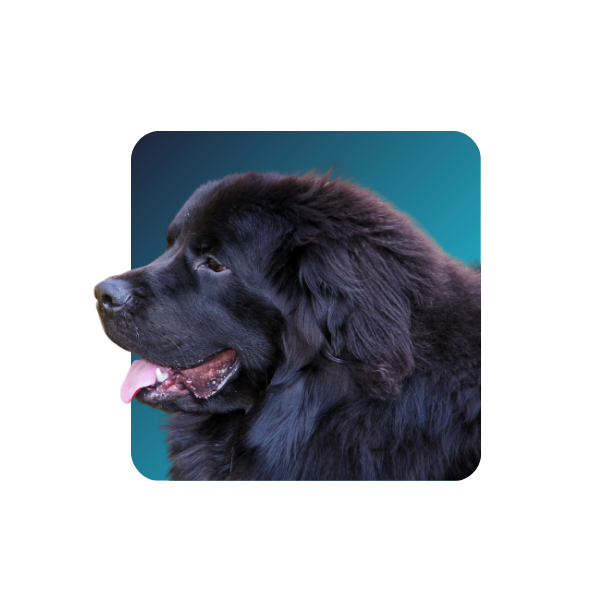





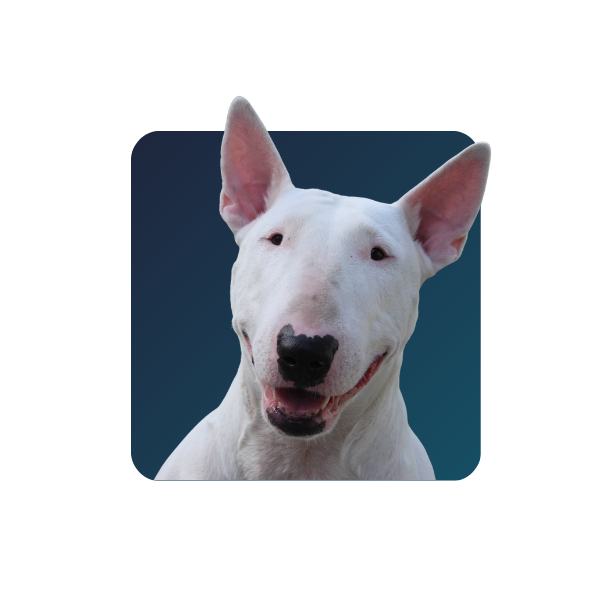
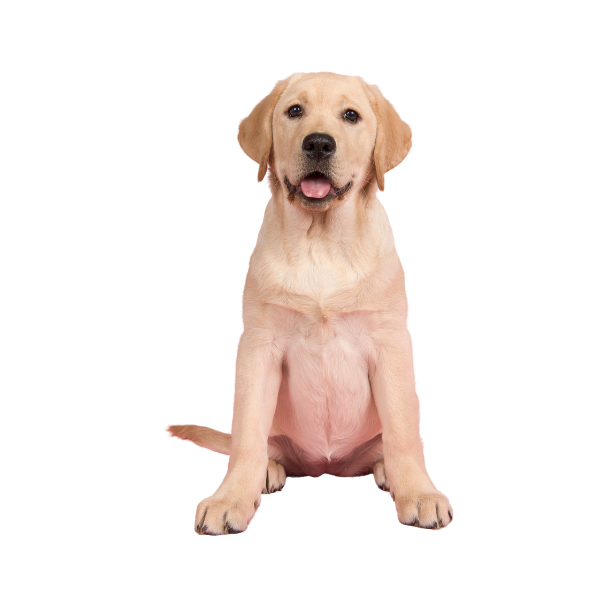
Compare Popular Dog Breeds
Whether you're looking for a playful family pet, a loyal protector, or a low-maintenance companion, our dog breeds comparison guide helps you compare dogs across key categories, from playfulness and trainability to energy level and grooming needs.
With simple ratings and clear insights finding your ideal four-legged companion becomes a lot more straightforward.
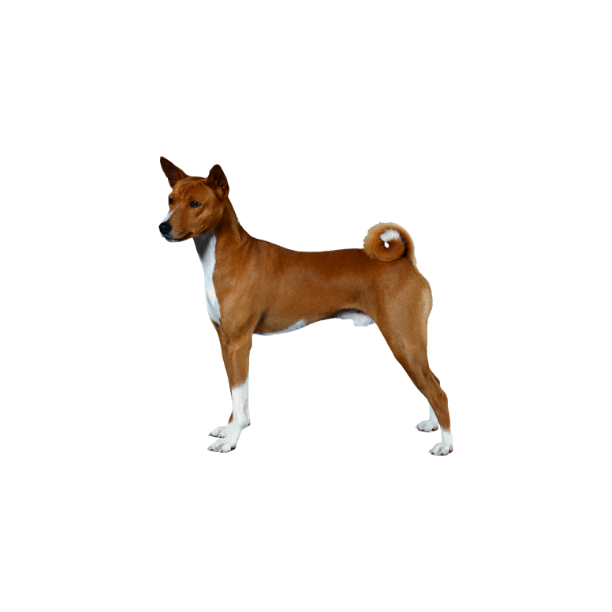
Social traits of the Doberman Pinscher: Loyal but alert
Doberman Pinscher behavior with family, kids, and other dogs
The Doberman Pinscher is a family-oriented dog that bonds strongly with its household, including children. It can be affectionate and calm when properly socialized from an early age. Their size and energy mean supervision matters around younger kids.
With other dogs, it may prefer structure and clear boundaries. Strangers are usually met with caution, not aggression, but always with attention.
Playfulness is present but focused, not chaotic. The Doberman stands out because it balances guarding instincts with real affection for its home circle.