
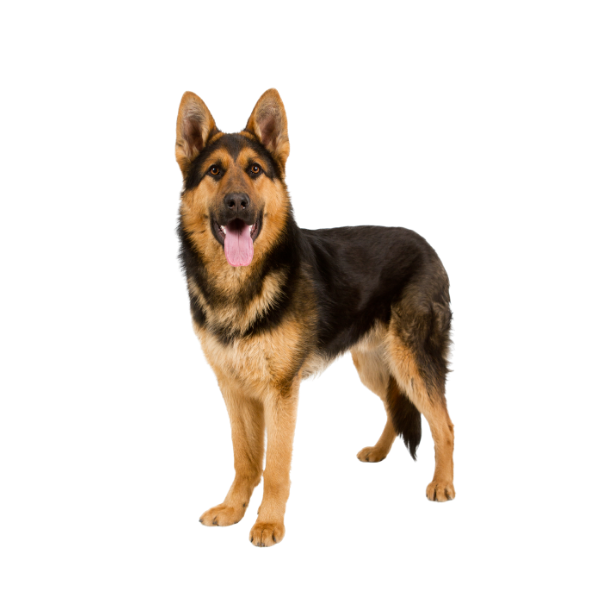



Trainability & behavior of the German Shepherd: smart, focused, and driven
Trainability, energy level, and barking habits of the German Shepherd
The German Shepherd is one of the most trainable dog breeds, especially when training starts early. They learn commands quickly and respond well to clear structure, which makes them a strong match for active families with children. First-time owners can do well too, as long as consistency is part of daily life.
Energy levels are high. This breed needs regular exercise, walks, and mental challenges. Without enough activity, they may become restless or bored. In a home environment, they thrive when given tasks or routines.



Barking is usually purposeful rather than random. They tend to alert their family when something feels unusual, which supports their natural guarding instincts. In an apartment setting, training is important to manage noise and energy, but it can be done with discipline and structure. What sets them apart is how quickly they connect learning with real-life behavior.
Keeping a German Shepherd healthy
What it takes to care for a German Shepherd throughout the year
German Shepherds are famous for shedding, and prospective owners should be prepared for loose hair on floors, furniture, and clothing. Consistent brushing helps control shedding and supports healthy skin and coat condition. During spring and autumn, coat loss may increase substantially.


Grooming needs are moderate rather than intensive. This breed does not usually require frequent professional grooming, but routine brushing, nail trimming, ear checks, and dental care remain important. Their coat naturally helps protect against weather conditions, so excessive bathing is generally unnecessary.
Drooling is not commonly a major concern. Most German Shepherds are fairly clean compared with breeds known for heavy saliva.
German Shepherd growth guide: Height, weight, and life expectancy
Strong growth, impressive size, and years of loyal companionship
The German Shepherd is a large and athletic breed known for strength, agility, and endurance. Adult males typically stand between 61-66 cm at the shoulder and weigh around 29-41 kg. Females are usually slightly smaller, measuring 56-61 cm and weighing 23-32 kg.
Growth is steady during the first year, although many German Shepherds continue filling out physically until they are around two years old. Proper nutrition and controlled exercise during puppyhood help support healthy development and reduce stress on growing joints.
The average lifespan ranges from 9 to 13 years, depending on genetics, overall health, and lifestyle. Many German Shepherds remain active well into their senior years when provided with proper care.
German Shepherd nutrition guide: From puppyhood to senior years
Building the right nutrition plan for a German Shepherd
German Shepherds need a balanced diet rich in high-quality animal protein to support their muscles and active lifestyle. Protein is especially important during growth and for maintaining lean body condition throughout adulthood.
Moderate fat levels help provide energy, but calorie intake should match activity levels. Overfeeding can lead to unwanted weight gain, which may place extra stress on joints. Because this breed can be prone to digestive sensitivity, gradual food transitions and consistent feeding routines are often beneficial.
Comparing food options for the German Shepherd
High-quality dry food is a popular choice because it is convenient, nutritionally balanced, and supports dental health. Many German Shepherd owners use kibble formulated for large-breed dogs.
Wet food can increase palatability and hydration, while fresh-food diets may appeal to owners seeking minimally processed ingredients. Some families choose mixed feeding, combining dry and wet food for variety and texture.
Puppy nutrition essentials
German Shepherd puppies grow quickly and require nutrition specifically designed for large-breed development. Controlled growth is important because growing too fast can place extra pressure on developing bones and joints.
Young puppies are typically fed three to four meals per day. Portions should be adjusted based on age, size, and body condition. Foods rich in protein, calcium, and phosphorus should come from balanced puppy formulas rather than supplements.
Adult German Shepherd nutrition and weight management
Adult German Shepherds need a diet that matches their activity level. Highly active dogs may require more calories, while less active companions benefit from carefully measured portions.
Maintaining a healthy weight is one of the most important aspects of long-term care. Regular body condition checks can help owners adjust feeding amounts before weight gain becomes a problem.
Common food sensitivities
German Shepherds are generally enthusiastic eaters, but some may experience digestive challenges. Gradual food transitions and quality ingredients often help reduce problems.
Monitoring appetite, stool quality, and body condition can provide useful clues about how well a diet is working. Early attention to changes can help prevent small issues from becoming larger concerns.
The less discussed side of living with a German Shepherd
Keeping a highly active dog satisfied
German Shepherds are working dogs at heart. They enjoy having jobs, goals, and activities that challenge both mind and body.
Meeting these needs requires a consistent time commitment from owners.
Fur, fur, and more fur
German Shepherds shed throughout the year and often experience heavier seasonal shedding.
Consistent coat care helps reduce buildup, but shedding is a natural part of life with this breed.
Training must be ongoing
This breed enjoys learning and responds well to structure.
Even experienced owners continue training throughout a German Shepherd's life. Keeping the mind engaged helps prevent boredom and encourages balanced behavior.
Managing a naturally protective breed
Loyalty is one of the breed's greatest strengths, but it requires guidance.
Introducing new people, places, and experiences from a young age helps build confidence.
Matching the breed to your lifestyle
Before bringing home a German Shepherd, consider how much time is available for exercise, training, and companionship.
They do best with owners who can actively participate in their daily routine.
Discover the unique side of the German Shepherd
The name "Alsatian" became popular in the United Kingdom after World War I. Some people wanted to avoid using the word "German" at the time, so the breed became associated with the Alsace region. Today, German Shepherd remains the most widely used name.
This breed combines intelligence with a strong desire to work alongside people. That partnership allows German Shepherds to master advanced training that many breeds find difficult.
Few breeds have served in as many roles as the German Shepherd. Over the years, they have worked in herding, military service, police work, search and rescue, and assistance roles.
Rin Tin Tin appeared in numerous films and helped make the breed famous worldwide. Stongheart was one of Hollywood's earliest dog stars. Chips, a decorated military dog during World War II, became known for bravery and service.
Frequently Asked Questions
Are German Shepherds easy to train ?
Yes. German Shepherds are among the most trainable dog breeds. They learn quickly and respond well to consistent, positive training methods.
Are German Shepherds good with children ?
Yes, when properly socialized. They are often loyal, gentle, and protective around children in their family.
Are German Shepherds aggressive dogs ?
No, not by nature. They are naturally protective, but with proper training and socialization, they are calm and balanced family companions.
Do German Shepherds need a big yard ?
A yard can help, but it’s not required. What matters more is daily exercise, training, and time with their family.


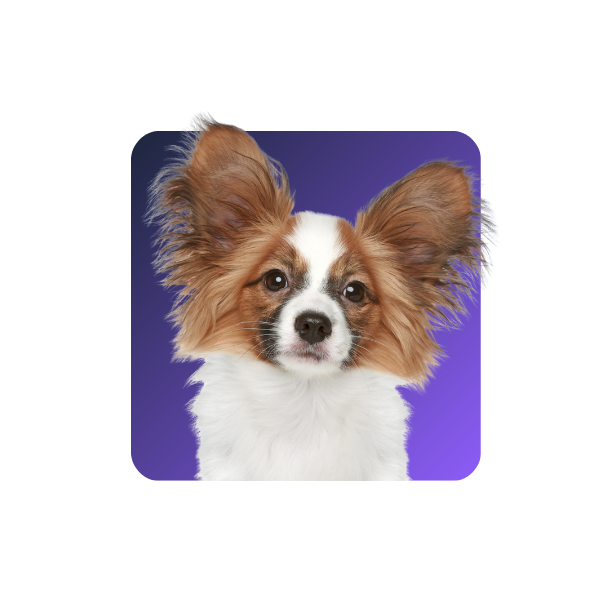
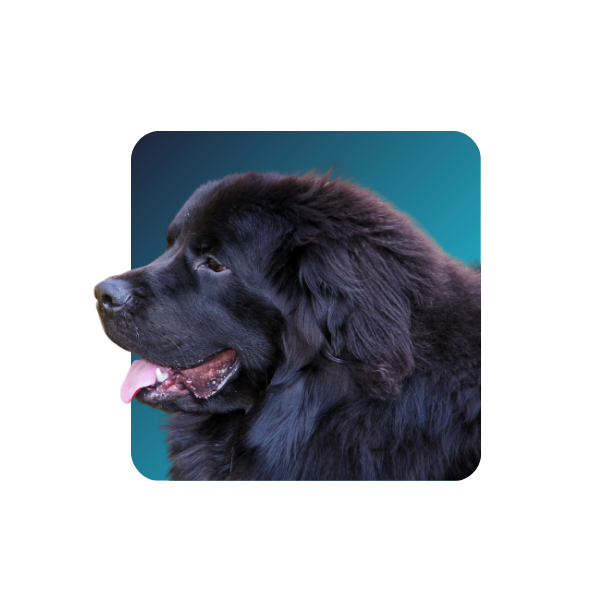

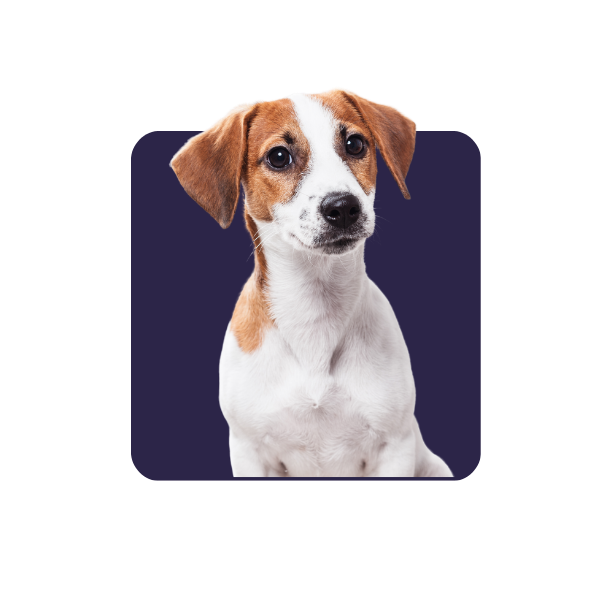
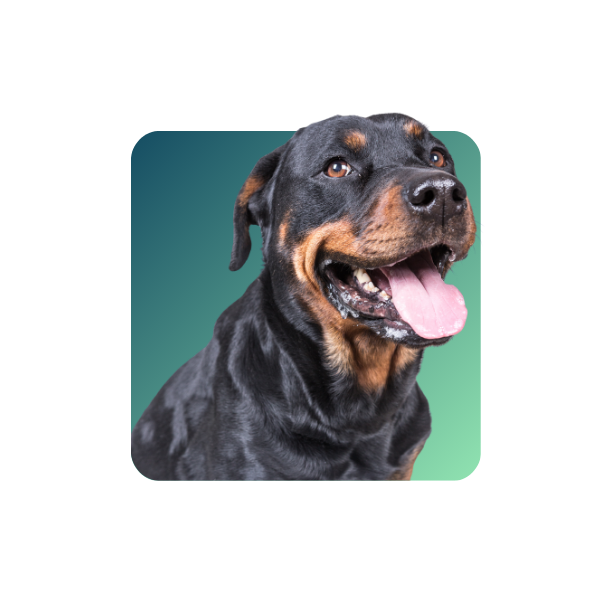

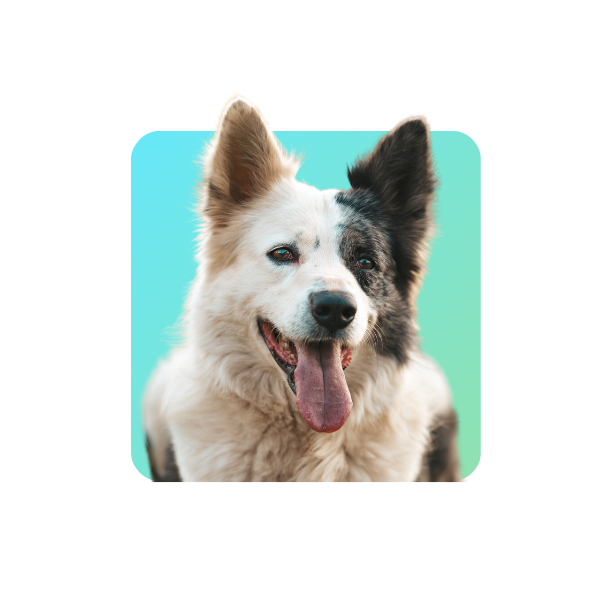

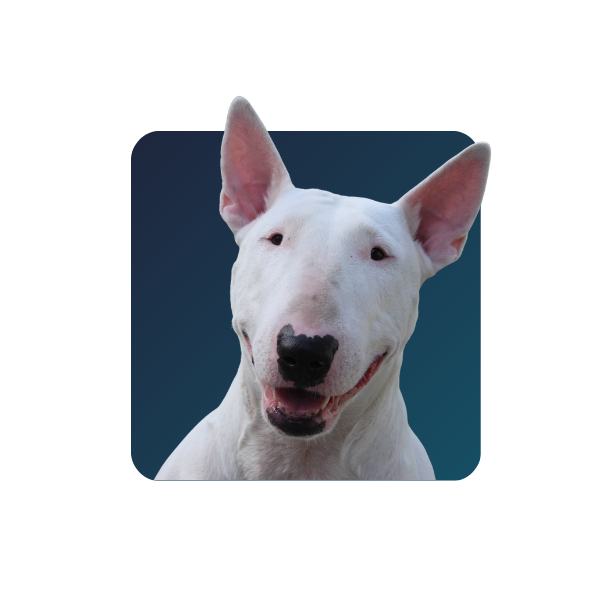
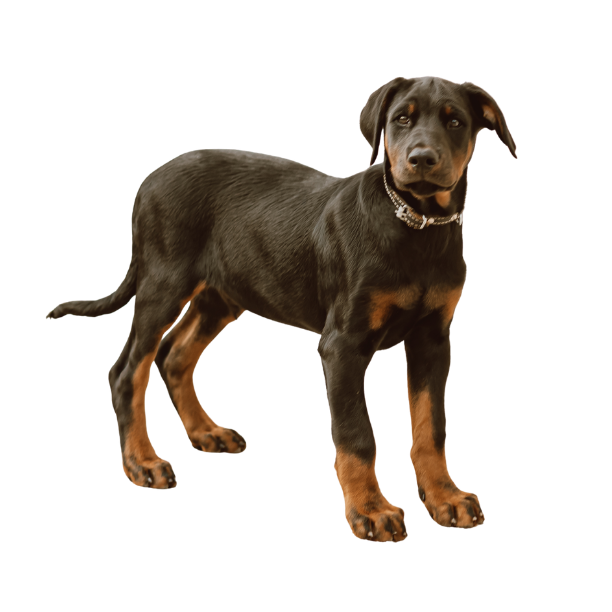
Compare Popular Dog Breeds
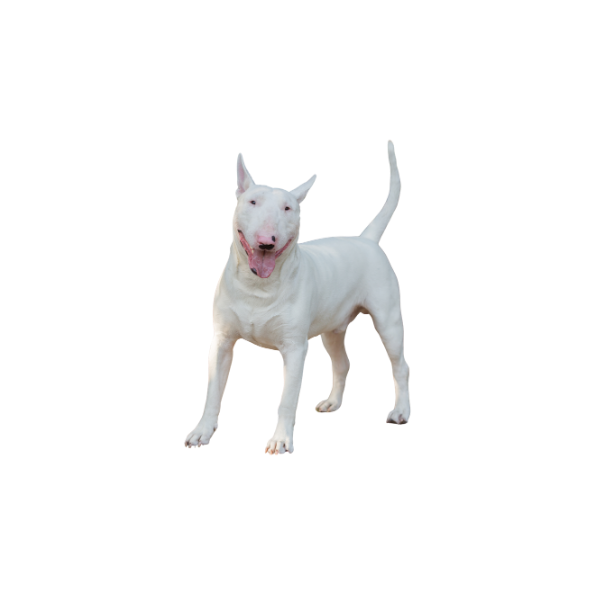
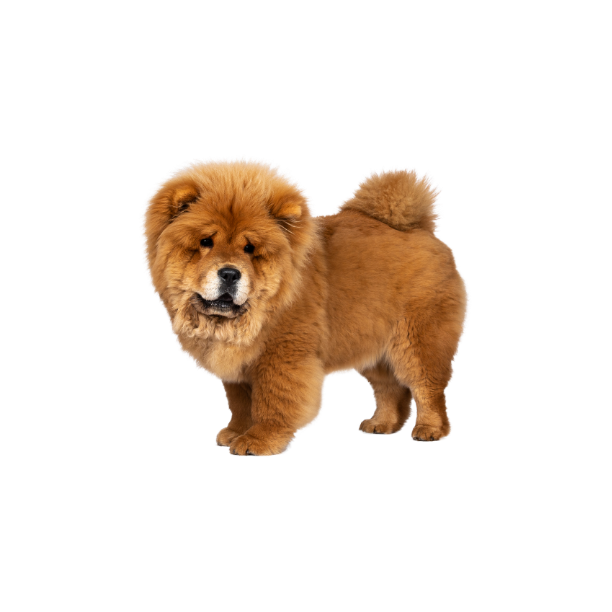
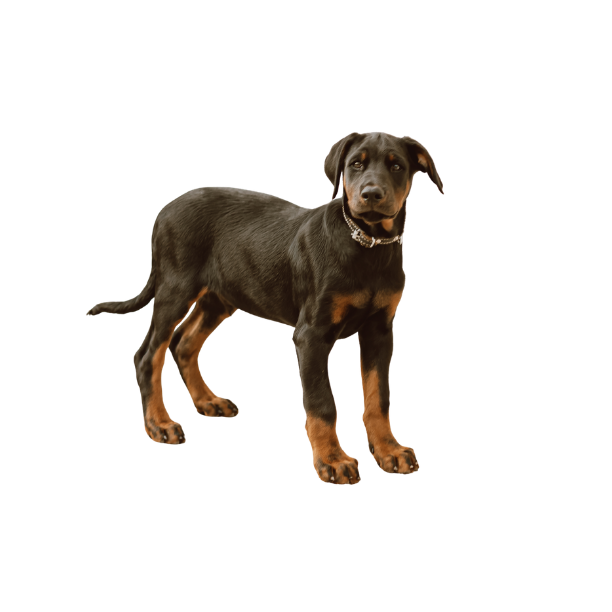
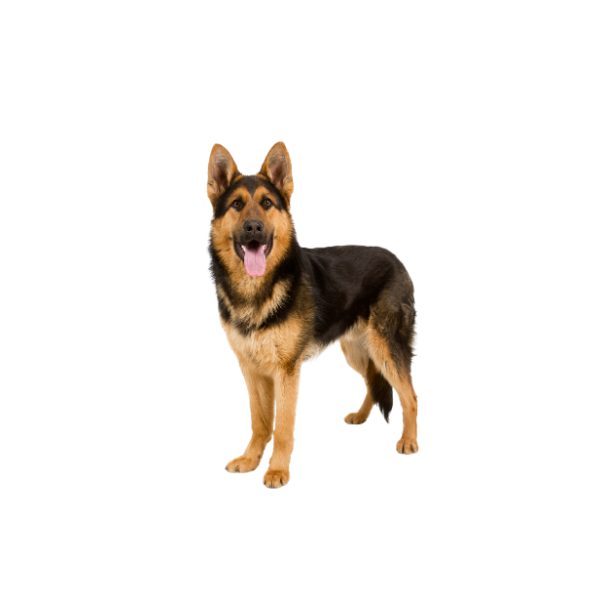
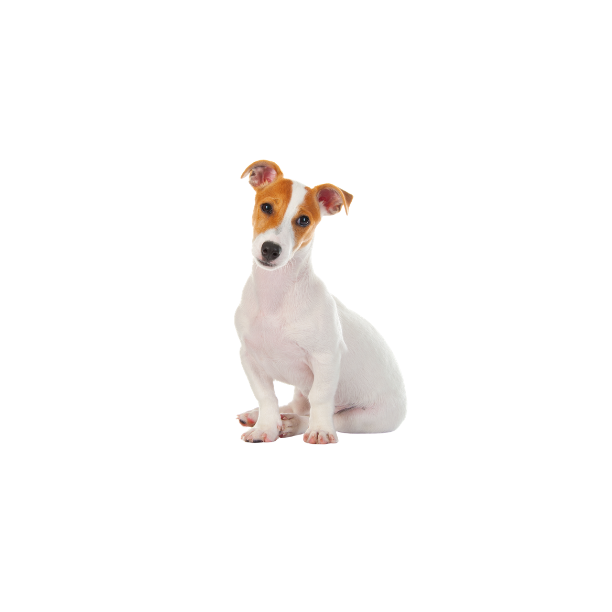
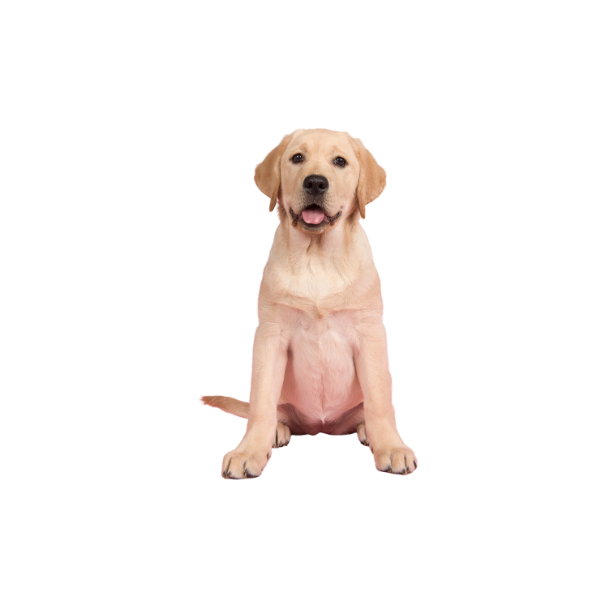
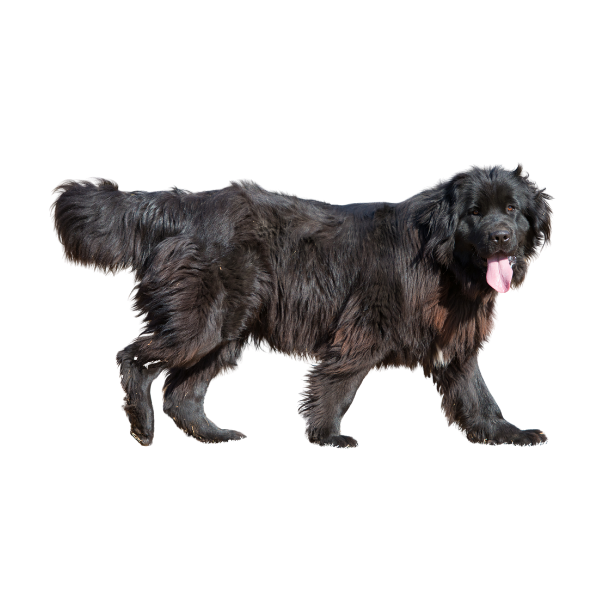
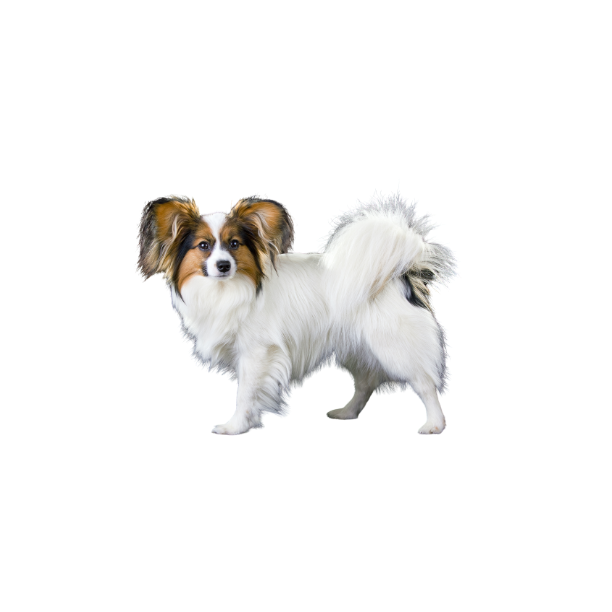
Whether you're looking for a playful family pet, a loyal protector, or a low-maintenance companion, our dog breeds comparison guide helps you compare dogs across key categories, from playfulness and trainability to energy level and grooming needs.
With simple ratings and clear insights finding your ideal four-legged companion becomes a lot more straightforward.
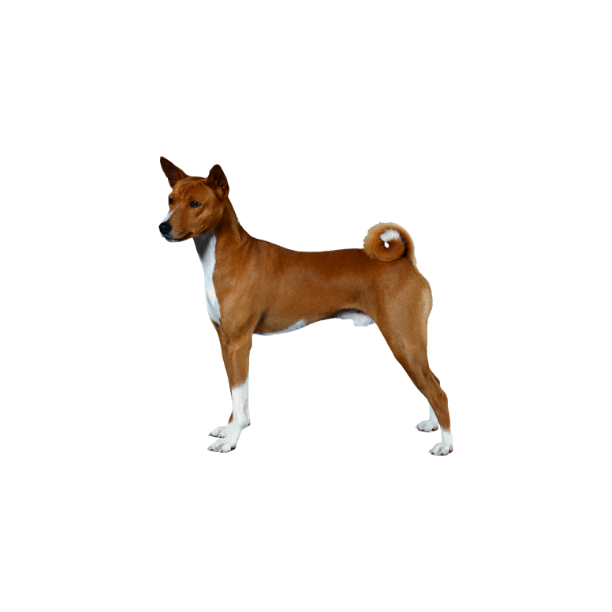
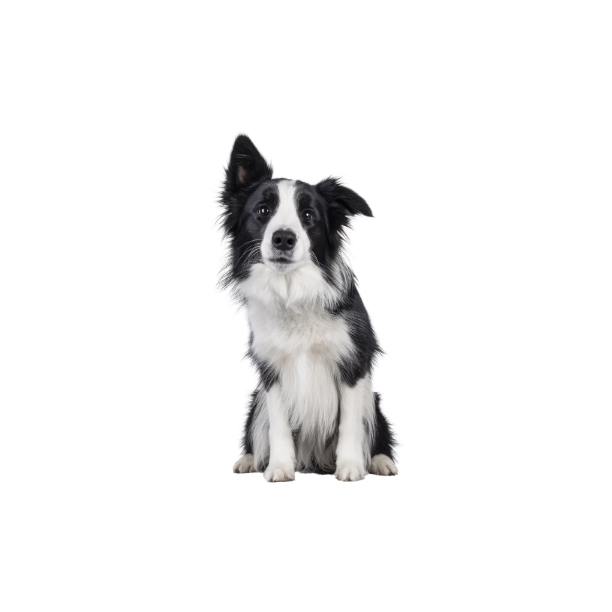
The social side of a smart and protective family dog
Social traits of the German Shepherd
The German Shepherd is a deeply loyal companion that often forms strong bonds with family members. With children, they are usually gentle and watchful, especially when raised together. This breed tends to enjoy structure, so clear rules help them feel secure around kids and daily home life.
With other dogs, early social exposure is important. They can be friendly and balanced, but may show caution if not properly introduced. Around strangers, this breed is naturally alert. They are not quick to trust, which makes them excellent watchdogs without being unnecessarily aggressive.
Playfulness is strong, especially in active homes where games and tasks are part of the routine. Their protective side stands out, but it usually comes from loyalty rather than tension. This makes them different from many other dogs: they stay close, observe carefully, and respond to their family’s emotions.