
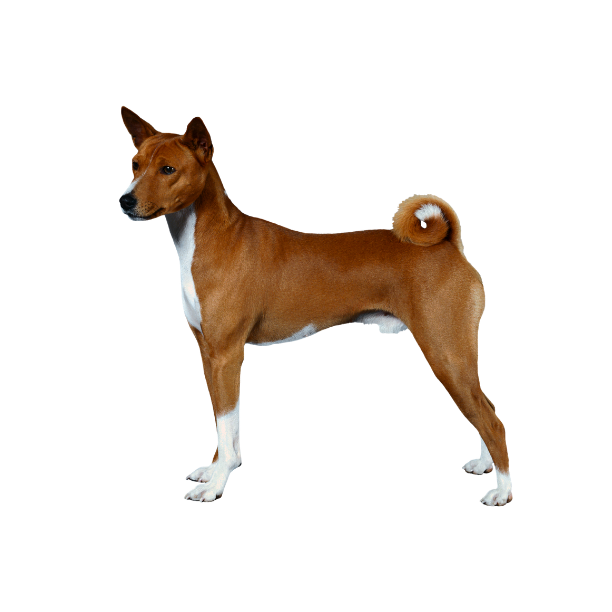
Basenji

hound

13-14 years

Central Africa
Living with a Basenji: what every family should know
The Basenji is a unique dog breed known for intelligence, independence and a surprisingly quiet nature. This energetic companion thrives with active families who enjoy adventure, training and daily interaction.
Trainability & behavior of the Basenji
How easy is the Basenji to train ?
The Basenji is highly intelligent, but intelligence does not always translate into easy training. This breed is known for independent thinking and often prefers understanding why a task matters before cooperating. Positive reinforcement and consistency usually produce the best results.
For first-time owners, training can feel challenging. Repetition alone may not keep a Basenji interested, so sessions should remain short, engaging and rewarding.






The Basenji has plenty of energy and enjoys exploring the world. Regular exercise supports both physical and mental wellbeing.
One of the most famous characteristics is the lack of traditional barking. Instead of frequent barking, many Basenjis communicate through unique sounds often described as yodels.
Keeping a Basenji healthy, clean and happy
Shedding, grooming and drooling: What to expect
The Basenji is often considered one of the easiest dog breeds to groom. Their short, fine coat requires very little maintenance compared to many other dogs. Regular brushing once a week is usually enough to remove loose hair and keep the coat looking healthy.
Shedding is generally light to moderate throughout the year. While no dog is completely shed-free, many owners find the Basenji leaves less hair around the home than heavily coated breeds.






One of the breed's most unusual traits is its cat-like grooming behavior. Many Basenjis spend time cleaning themselves, helping them stay remarkably tidy. Their coat also tends to have very little dog odor.
Drooling is almost non-existent, making the Basenji appealing for tidy households.
How big does a Basenji get?
Small-to-medium size, long-term companion
Basenjis fall into the small-to-medium size category. Their balanced proportions create an elegant appearance without sacrificing strength or agility.
Most adults weigh between 9 and 12 kg and stand roughly 38 to 45 cm at the shoulder. Growth is usually complete by 12 to 18 months of age.
A lifespan of 13 to 14 years gives families many years to enjoy life with this companion. Preventive healthcare and a healthy lifestyle can help support long-term wellbeing.

Basenji nutrition and feeding essentials
Understanding Basenji nutritional requirements
The Basenji is an active and athletic breed that benefits from a diet rich in high-quality animal protein. Protein supports muscle maintenance, recovery and overall health throughout every life stage.
Healthy fats provide a steady source of energy while supporting skin and coat condition. Because this breed tends to stay lean, calorie intake should match daily activity levels rather than age alone.
A balanced diet containing vitamins, minerals and omega fatty acids helps support long-term wellness. Fresh drinking water should always be available.
Choosing the best food for a Basenji
There is no single best diet for every Basenji. Some thrive on dry food, while others prefer wet or fresh meals.
Mixed feeding is increasingly popular because it combines the convenience of kibble with the flavor and moisture of wet food. This approach may also appeal to selective eaters.
Regardless of the feeding method, ingredient quality and nutritional balance are more important than the format itself.
Helping your Basenji puppy develop properly
During puppyhood, nutrition plays a major role in lifelong health. High-quality puppy food should contain balanced protein, fat, vitamins and minerals to support healthy growth.
Portion control remains important even during rapid growth periods. Following feeding guidelines and monitoring body condition can help prevent unhealthy weight gain.
Foods designed exclusively for adult dogs should generally be avoided until physical maturity is reached.
Daily nutrition for adult Basenjis
Maintaining a healthy body condition is one of the most important aspects of feeding an adult Basenji. Excess weight can reduce mobility and increase strain on joints.
Daily calorie intake should reflect exercise levels, age and metabolism. Active companions often require significantly more energy than those living quieter lifestyles.
Regular weight monitoring helps owners make adjustments before small changes become larger problems.
Common food sensitivities
Like many dog breeds, some Basenjis may experience ingredient sensitivities that affect skin or digestive health.
Introducing new foods slowly can help minimize stomach upset. Choosing quality ingredients and avoiding frequent diet changes may support better long-term digestive function.
Any persistent symptoms should be discussed with a veterinary professional.
Challenges of owning a Basenji
Independent thinking
The Basenji is highly intelligent, but this breed often prefers making independent decisions. Training sessions can become frustrating when expectations focus solely on obedience.
Owners who approach training with creativity and persistence are often rewarded with excellent long-term results.
Chasing instincts
Small animals, birds and fast-moving objects can quickly capture a Basenji's attention. Once focused, this breed may ignore commands in pursuit of a target. Early training helps, but natural instincts often remain strong.
Reliable recall can be difficult in distracting environments, making secure leashes and fenced areas important.
Keeping a Basenji entertained
Physical exercise alone is not always enough. Basenjis enjoy solving problems and engaging their minds.
Providing mental exercise alongside physical activity often leads to a happier and more balanced companion.
Escape artist tendencies
This breed loves to explore. An open gate or small gap in a fence may quickly become an invitation for adventure.
Owners often discover that prevention is much easier than retrieval.
Fun facts about the Basenji
The Basenji has earned several nicknames throughout history, including "African Barkless Dog," "Congo Dog," and "African Bush Dog." Most of these names reflect the breed's origins in Central Africa and the Congo region.
The famous "barkless" nickname comes from the Basenji's unusual vocal cords, which prevent traditional barking and create the breed's distinctive yodel-like sound.
Unlike most dogs, the Basenji frequently cleans its face and body using its paws and tongue. The behavior closely resembles the grooming habits of cats.
The Basenji is widely considered one of the oldest dog breeds still in existence. Dogs resembling modern Basenjis appear in ancient artwork and artifacts dating back thousands of years.
Instead of barking like most dogs, the Basenji produces a unique vocalization often called a "baroo." The sound can range from a yodel to a chortle depending on the situation. Owners often describe the vocal performance as both entertaining and surprisingly expressive.
Frequently Asked Questions
Are Basenjis easy to train ?
Basenjis are intelligent dogs, but they are also highly independent thinkers. Training can be challenging for first-time owners because this breed often prefers making its own decisions.
Can a Basenji live in an apartment ?
Yes, a Basenji can adapt well to apartment living. Their low barking tendency is a major advantage. However, daily exercise and mental stimulation remain essential to prevent boredom.
How often should a Basenji be groomed ?
Basenjis require minimal grooming. Weekly brushing is usually enough to keep the coat healthy. Many owners appreciate the breed's natural cleanliness and low doggy odor.
Do Basenjis bark a lot ?
No. The Basenji is famous for being a "barkless" dog. Instead of traditional barking, this breed often communicates through yodel-like sounds, whines and other unique vocalizations.











Compare Popular Dog Breeds
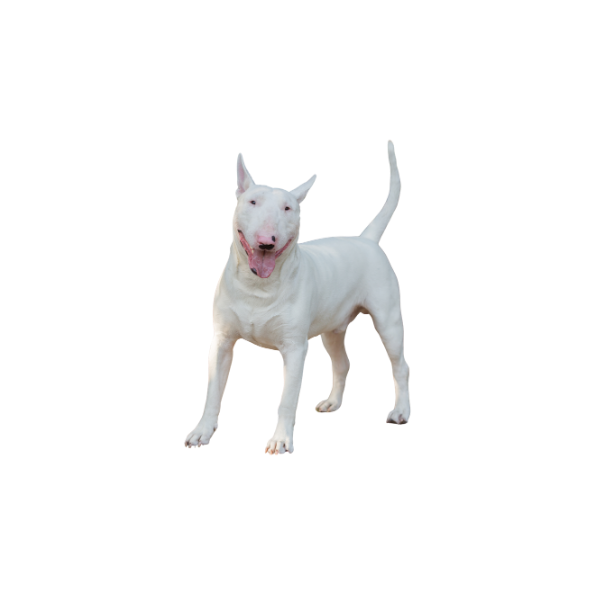
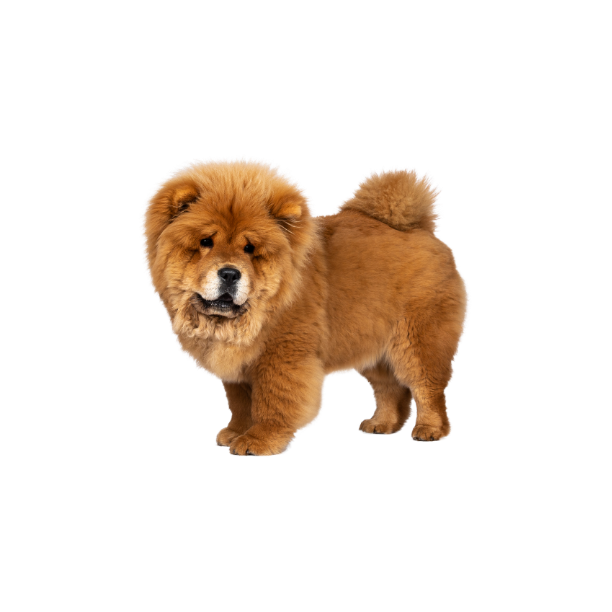
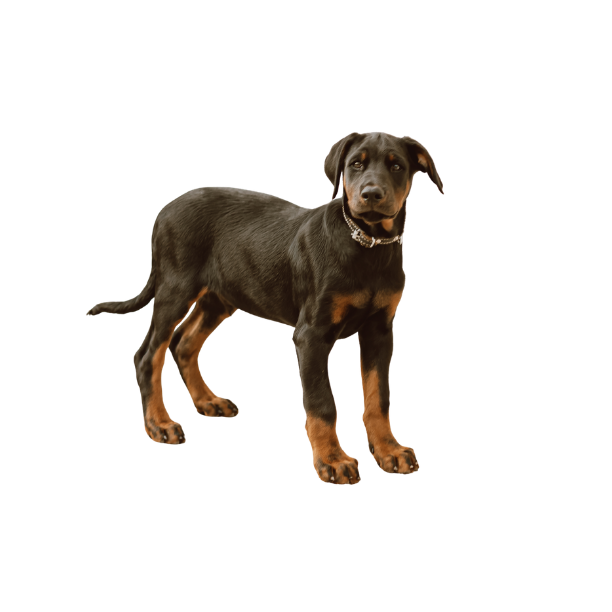
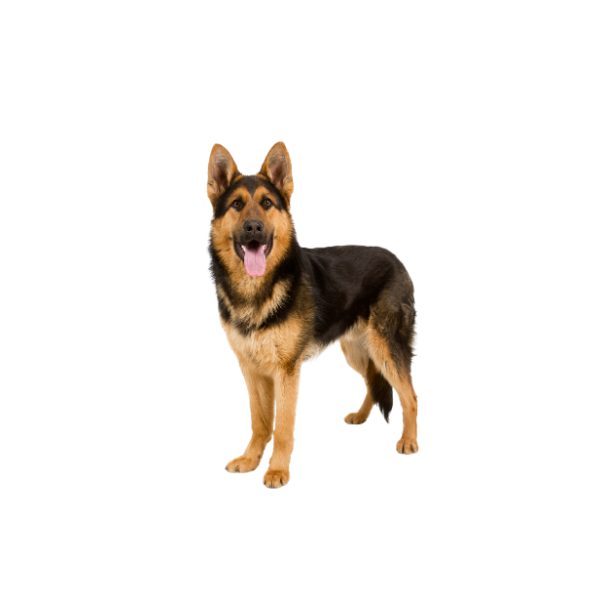
Whether you're looking for a playful family pet, a loyal protector, or a low-maintenance companion, our dog breeds comparison guide helps you compare dogs across key categories, from playfulness and trainability to energy level and grooming needs.
With simple ratings and clear insights finding your ideal four-legged companion becomes a lot more straightforward.
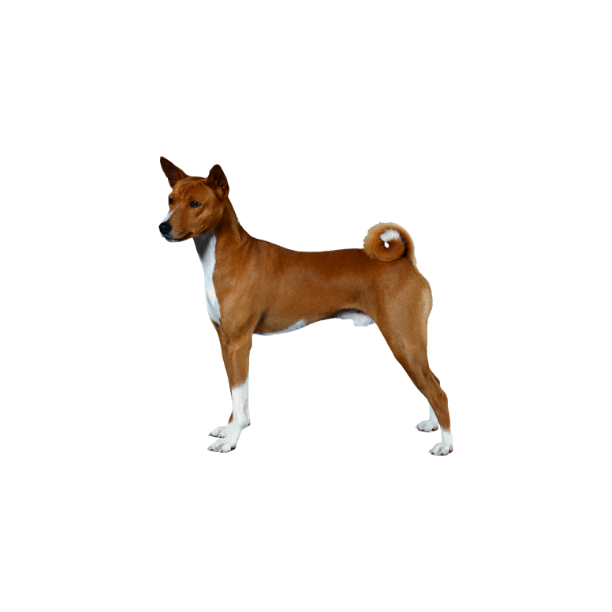


Understanding the social personality of the Basenji
The social side of the Basenji
Many families appreciate the Basenji's affectionate nature at home. This breed often develops close relationships with children who understand how to interact calmly and respectfully with dogs.
When meeting other dogs, personalities can vary. Some Basenjis are highly social, while others prefer selective friendships. Consistent social experiences during puppyhood often produce the best results.
The breed tends to be reserved around strangers. Rather than rushing over for attention, many Basenjis take time to assess new people and situations.
One trait that truly separates this breed is the balance between playfulness and independence. The Basenji enjoys games and activity but rarely becomes overly needy. Protectiveness is generally moderate, with many individuals acting more as alert observers than guard dogs. This combination creates a unique companion that values family while maintaining a mind of its own.