
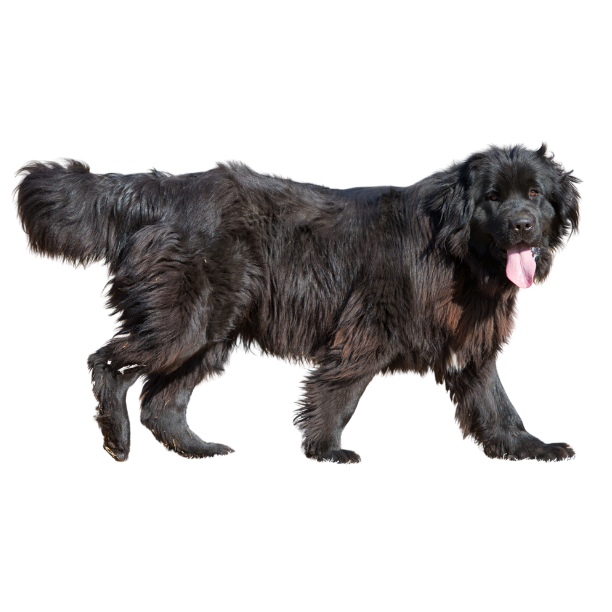
Newfoundland

working

9-10 years

Canada
Meet the Newfoundland: loyal, loving and surprisingly gentle
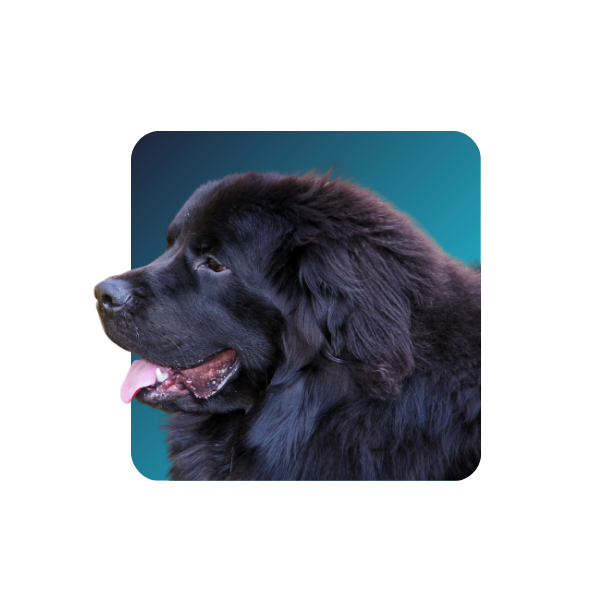
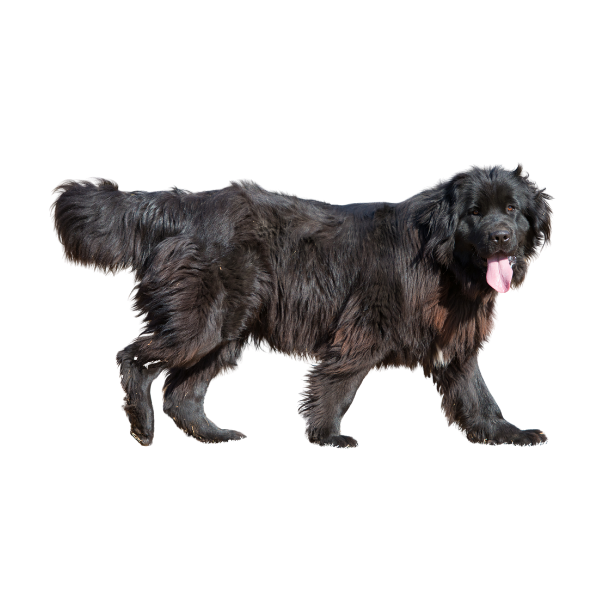
The Newfoundland is a giant dog breed known for its calm nature, loyalty, and love of people. Despite the large size, this companion is often gentle and patient.
Trainability & behavior of the Newfoundland
How easy is a Newfoundland to train ?
The Newfoundland is generally considered an intelligent and willing learner. While this breed may not respond with the lightning-fast speed of some working dogs, many Newfoundlands show a strong desire to cooperate with their owners. Positive reinforcement, consistency, and patience often produce excellent results.
Training should begin early due to the breed's future size. A playful puppy quickly grows into a very large adult, making basic manners and leash skills especially important. First-time owners can succeed with this breed when training remains structured and encouraging.






Energy levels are moderate compared to many sporting or herding breeds. Most Newfoundlands enjoy daily walks, swimming opportunities, and family activities without requiring hours of intense exercise.
Barking is typically not excessive. This breed often prefers observing situations before reacting. When a Newfoundland does bark, there is usually a reason. What separates this breed from many giant dogs is its combination of calm behavior, trainability, and emotional steadiness.
Newfoundland grooming, shedding and daily care
Managing coat care, shedding and drool
The Newfoundland is not a low-maintenance breed, but many owners gladly accept the extra work because of the dog's exceptional temperament. Coat care is a major part of ownership, thanks to the thick double coat that provides insulation and protection.
Routine brushing several times per week helps remove dead hair and keeps the coat looking its best. During seasonal shedding periods, grooming sessions may need to become more frequent to manage the increased volume of loose fur.

Drooling is another common characteristic. Water drips, wet beards, and occasional slobber are simply part of life with many Newfoundlands. Owners who value spotless furniture and clothing should be prepared for this reality.
Size, weight & lifespan of the Newfoundland
A giant breed with a gentle presence
Newfoundlands are true giant dogs. Adult males commonly reach heights of 71 to 76 cm and can weigh anywhere from 60 to more than 70 kg. Females generally stand between 66 and 71 cm and weigh approximately 45 to 55 kg.
Because of their substantial size, puppies grow rapidly during the first year of life. Owners should avoid excessive exercise during growth stages and focus on supporting steady, healthy development.
The typical lifespan falls between 8 and 10 years. Like many giant breeds, Newfies age faster than smaller dogs and may require additional attention to joint and heart health as they grow older.
How to feed a Newfoundland for lifelong health
Understanding Newfoundland nutritional requirements
The Newfoundland thrives on a diet that delivers consistent nutrition without excessive calories. Lean proteins help maintain strength, while carefully balanced fat levels provide sustainable energy throughout the day.
Owners should monitor body condition regularly rather than relying solely on feeding guidelines. Every dog has slightly different energy requirements depending on age, activity level, and overall health.
Because of the breed's size, proper nutrition plays an important role in supporting healthy joints, mobility, and long-term wellbeing.
Choosing the best food for a Newfoundland
High-quality dry food remains a popular choice because it is convenient, nutritionally balanced, and easy to store. Many formulas designed for large-breed dogs meet the Newfoundland's needs well.
Wet food can add variety and increase moisture intake. Some owners combine dry and wet food to create a mixed-feeding approach that balances convenience with palatability.
Fresh and raw diets are also used by some owners, though these feeding methods should be planned carefully to ensure complete nutrition.
Newfoundland puppy nutrition basics
A Newfie puppy requires nutrition designed specifically for large and giant breeds. Proper growth management is critical because these dogs gain size rapidly during their first year.
Puppies are usually fed three to four times daily until they are several months old. Consistent meal schedules help support digestion and make portion control easier.
Owners should avoid feeding excessive supplements unless recommended by a veterinarian. Balanced puppy food is typically sufficient for healthy development.
Daily feeding tips for adult Newfoundlands
Weight management is one of the most important parts of caring for an adult Newfoundland. Carrying excess weight can affect mobility, endurance, and overall quality of life.
Meals should be measured carefully rather than estimated. Treats should be included as part of the daily calorie allowance rather than added on top of regular meals.
Active dogs may require additional calories, while less active companions often benefit from tighter portion control.
What owners should watch for at mealtime
Food sensitivities vary from one Newfoundland to another. Some dogs may experience digestive or skin-related reactions to specific ingredients, while others tolerate a broad range of foods without issue.
Monitoring weight, stool quality, skin condition, and overall energy levels can help owners evaluate whether a diet is working well.
Consistent nutrition and appropriate calorie management remain key components of long-term health.
Things to consider before choosing a Newfoundland
Living with a giant dog
A Newfoundland's size affects nearly every aspect of ownership. From vehicles and beds to feeding costs and travel arrangements, larger dogs simply require more room and resources.
Drooling is part of the package
Prospective owners should understand that drooling is normal for the breed. Furniture, floors, and clothing may occasionally receive unexpected splashes.
A big dog needs good manners
A Newfoundland puppy may seem manageable, but that puppy grows into a very powerful adult. Early training helps prevent unwanted habits from becoming difficult to control.
What makes the Newfoundland so unique?
After drinking, many Newfoundlands carry water in the fur around their mouths. Family members quickly learn to step aside when this dog leaves the water bowl.
Newfoundlands became famous for water rescues thanks to their powerful swimming ability and natural instinct to help struggling people in the water.
Boatswain, the beloved Newfoundland of Lord Byron, was so treasured that Byron erected an elaborate monument after the dog's death. The memorial remains one of the most famous tributes ever dedicated to a dog.
Frequently Asked Questions
Are Newfoundland dogs good with children ?
Newfoundlands are famous for being gentle with children. Many families appreciate their patient and calm temperament. Supervision is still important because of the breed's large size.
Are Newfoundland dogs good for first-time owners ?
They can be. A committed first-time owner who is prepared for grooming, training, drooling, and the responsibilities of a giant breed can do very well with a Newfoundland.
How much exercise does a Newfoundland need ?
Most adult Newfoundlands need moderate daily exercise. Walks, swimming, and family activities are usually enough to keep this breed healthy and content.
Are Newfoundland dog protective?
Yes, but usually in a calm manner. Most Newfoundlands are naturally protective of their family without being overly aggressive. Their size alone is often enough to discourage unwanted attention.

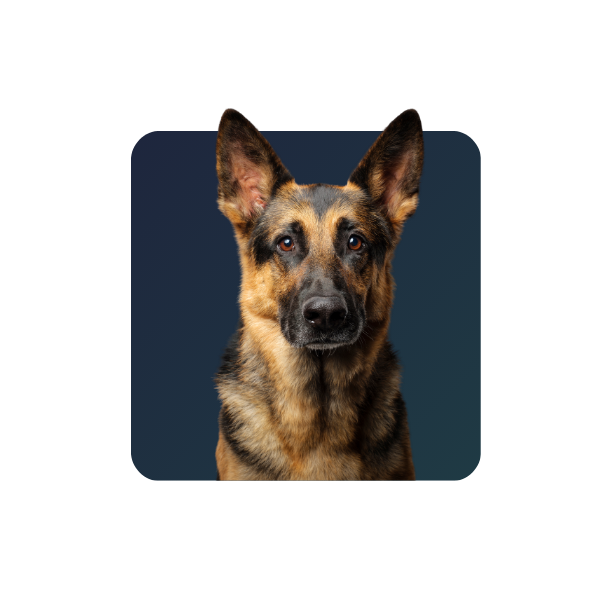

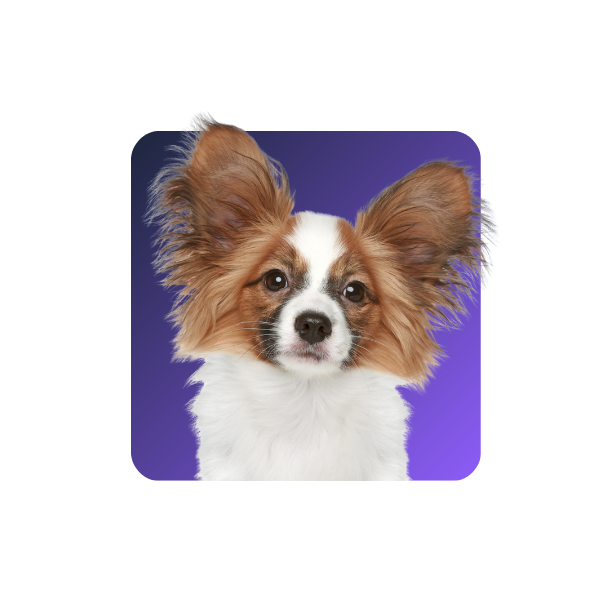


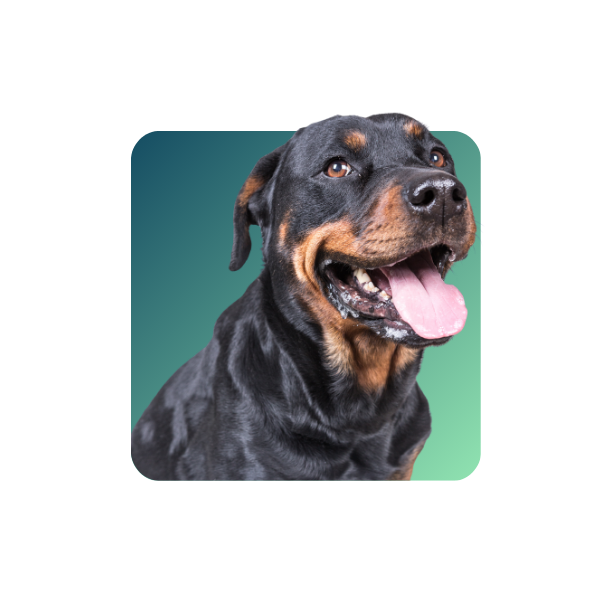
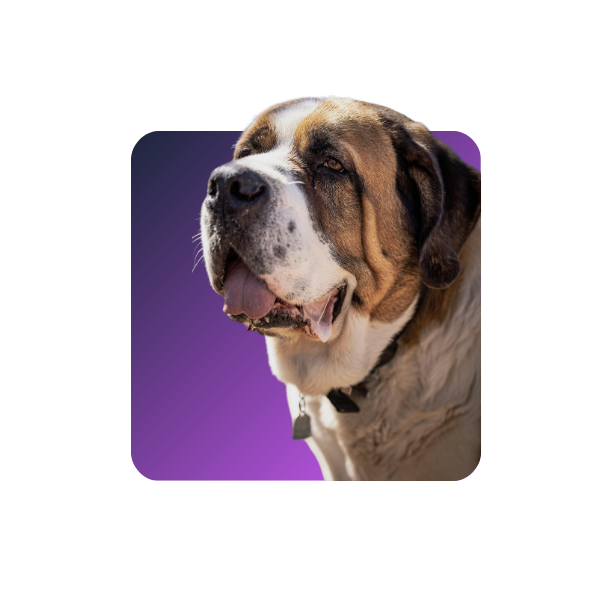
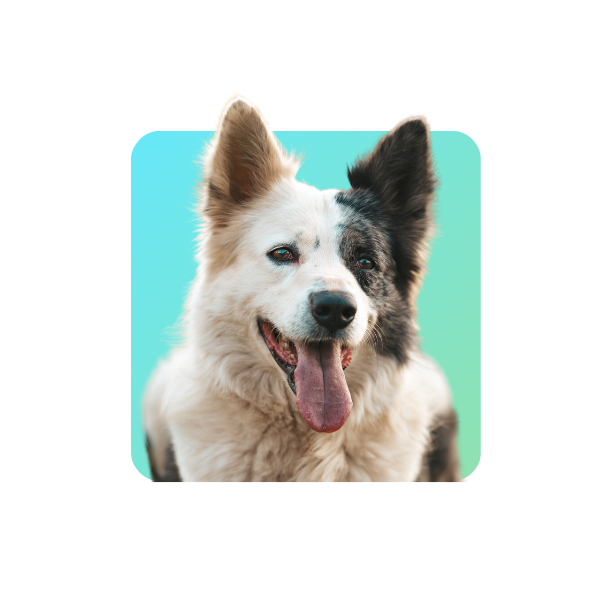

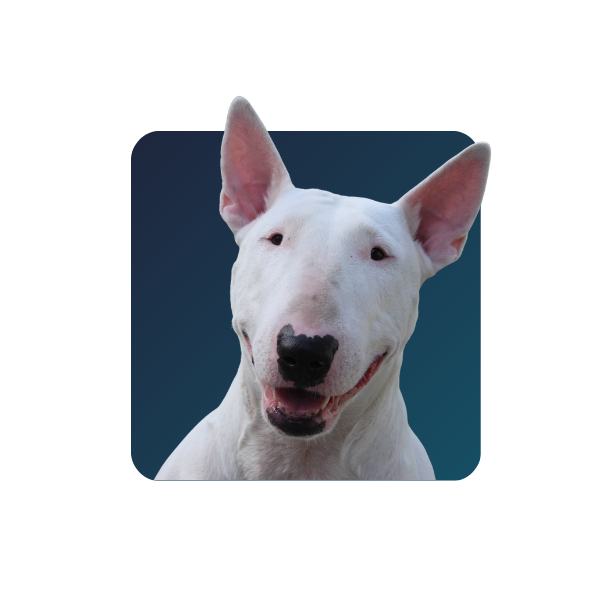
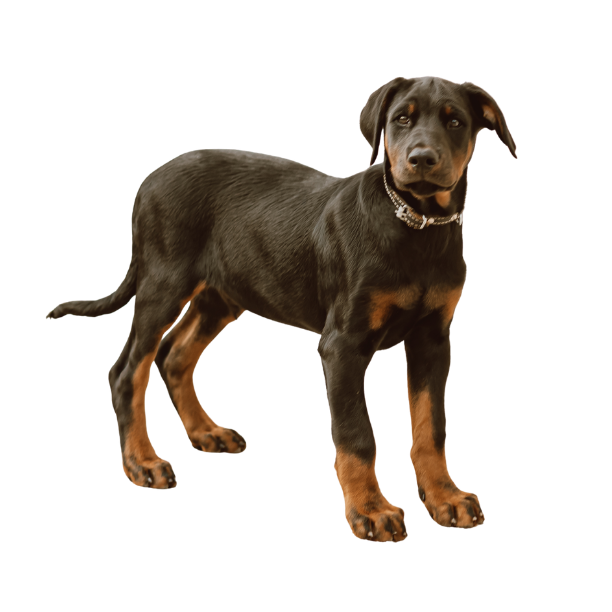
Compare Popular Dog Breeds
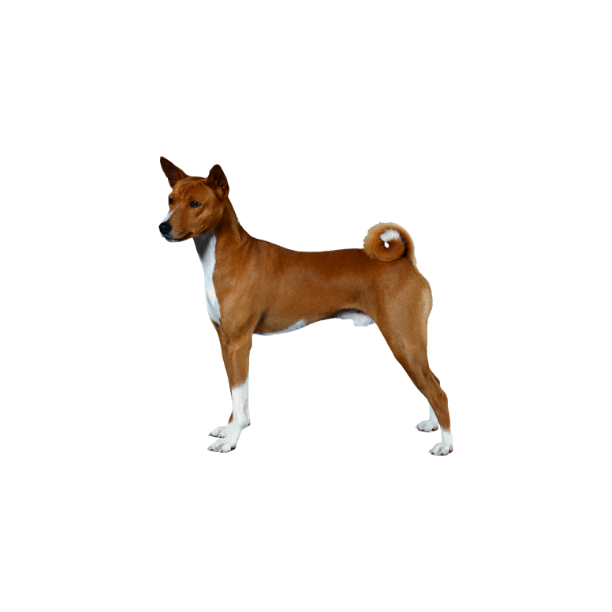
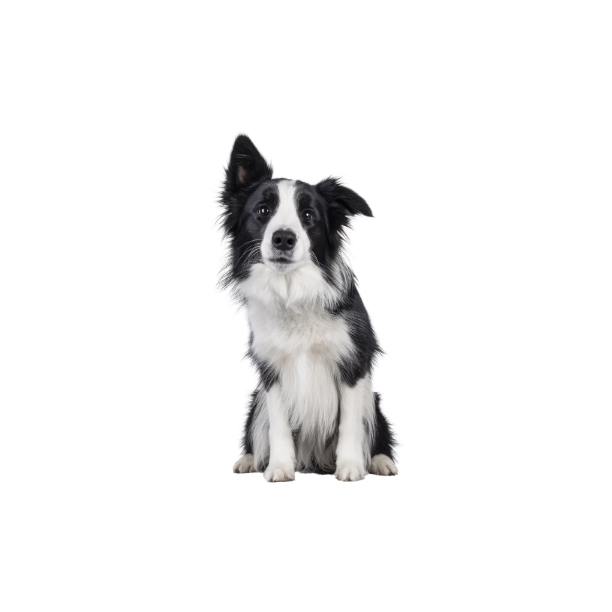
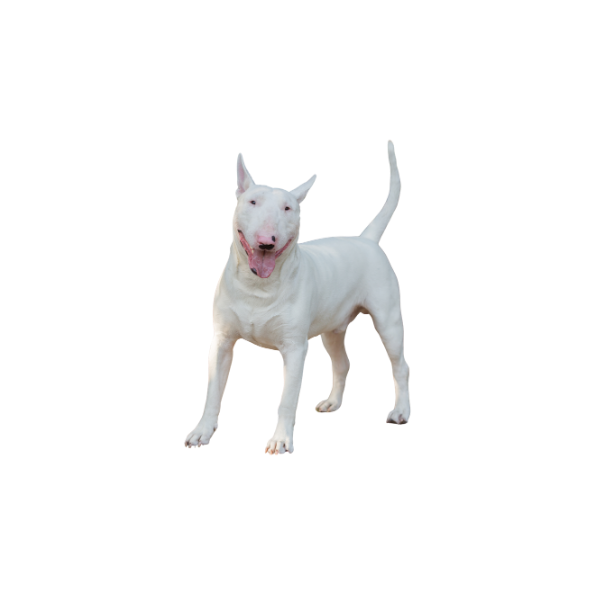
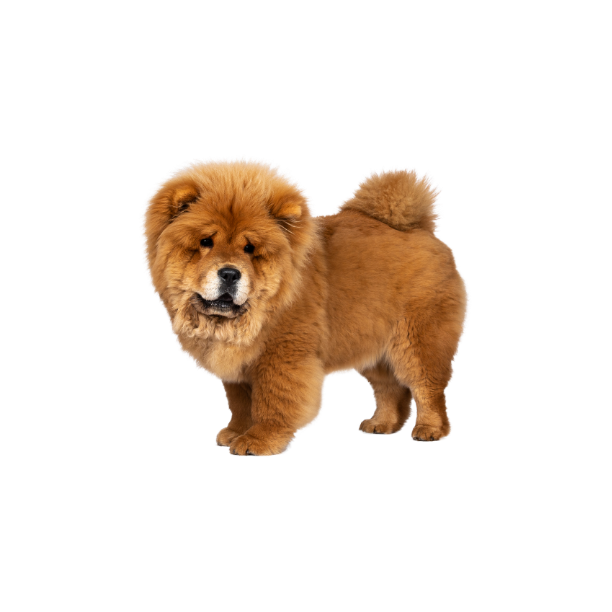
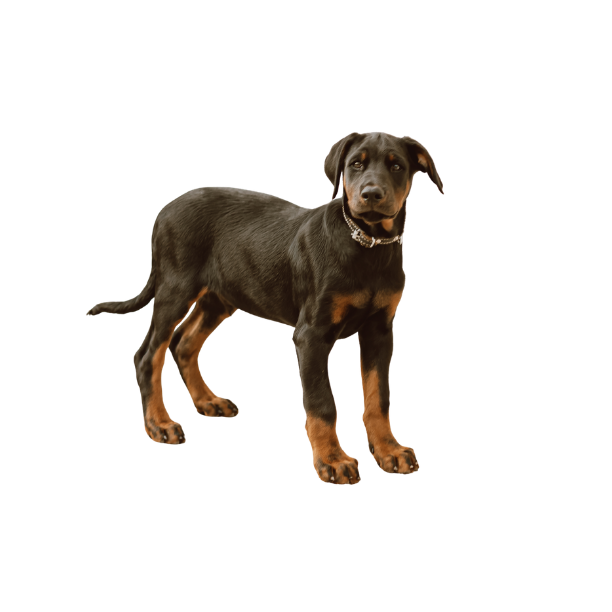
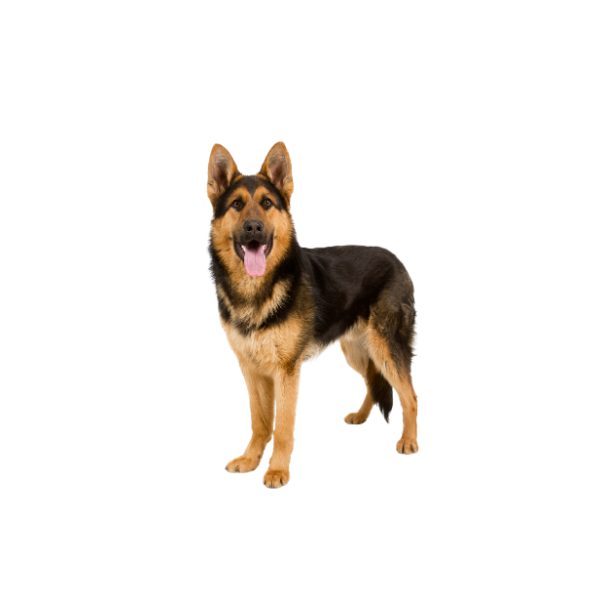
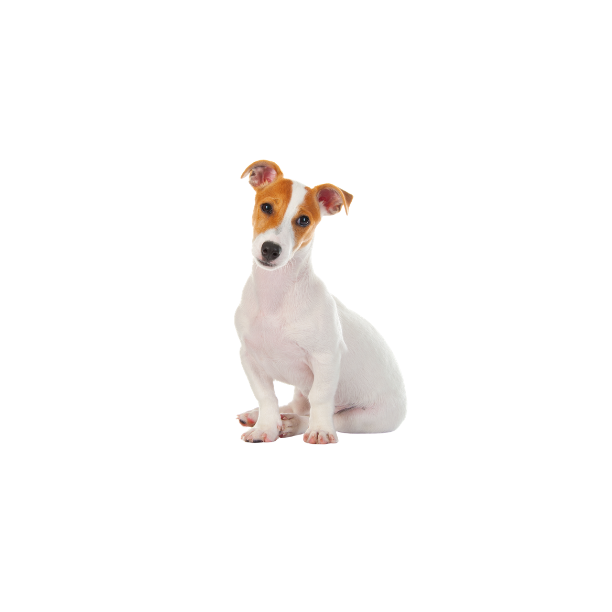
Whether you're looking for a playful family pet, a loyal protector, or a low-maintenance companion, our dog breeds comparison guide helps you compare dogs across key categories, from playfulness and trainability to energy level and grooming needs.
With simple ratings and clear insights finding your ideal four-legged companion becomes a lot more straightforward.
Understanding the Newfoundland's social personality
What to expect from a Newfoundland around family, visitors and other dogs
The Newfoundland has earned a reputation as one of the most family-oriented dogs in the world. Many owners describe this breed as patient, affectionate, and naturally gentle around children. Because of their calm temperament, Newfoundlands are often comfortable in busy households where kids are part of daily life.
This breed generally gets along well with other dogs when properly socialized from a young age. Early introductions and positive experiences help encourage confident and polite behavior. Most Newfoundlands prefer companionship and are rarely known for unnecessary conflict.
Around strangers, many Newfies are friendly but observant. They usually welcome guests without excessive suspicion while still remaining aware of their surroundings. Their large size alone can make them effective deterrents.
Playfulness is present but usually expressed in a relaxed way rather than endless bursts of energy. What truly separates the Newfoundland from many other dogs is the combination of gentleness, patience, and quiet protectiveness. This companion often wants nothing more than to stay close to the family and keep everyone safe.