
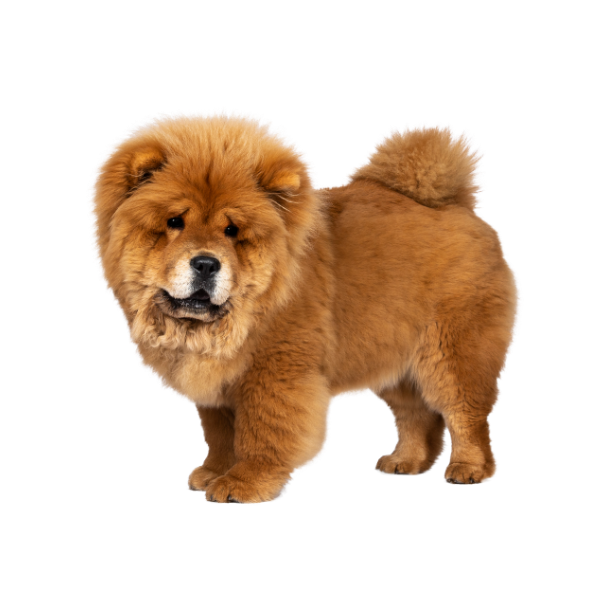
Chow Chow

non-sporting

8-12 years

China
Everything you need to know about the Chow Chow
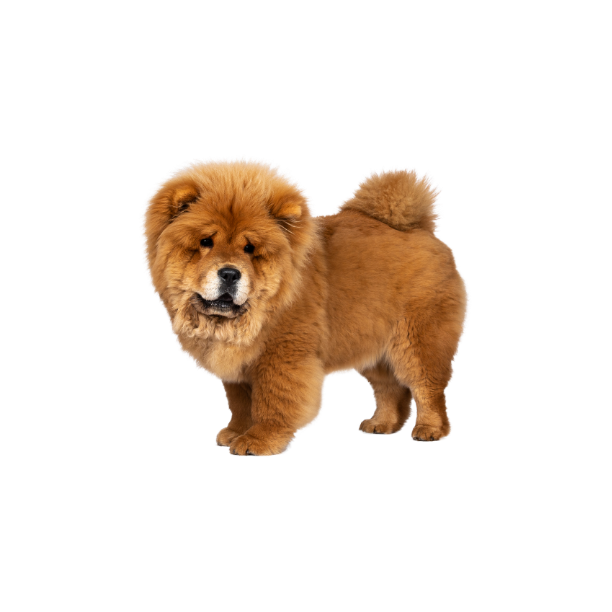
The Chow Chow is one of the world's most recognizable dogs, known for its lion-like appearance and strong personality. This breed combines loyalty, dignity, and independence, making life with a Chow Chow unlike life with most other dogs.
Understanding the Chow Chow's Mindset and Behavior
How easy is the Chow Chow to train ?
This breed has a reputation for being stubborn, but many owners describe the breed as independent rather than difficult. Training works best when rules are introduced early and applied consistently.
Socialization is especially important. Exposure to different people, environments, and dogs during puppyhood can help build a well-adjusted adult dog.





This breed usually enjoys moderate activity levels. A couple of daily walks combined with family interaction often meets exercise needs. Many Chow Chows adapt surprisingly well to apartment living when exercise requirements are met.
The breed is not known for excessive barking. Instead, most individuals prefer observing their surroundings quietly. This balanced combination of alertness and restraint is one reason many families appreciate the Chow Chow.
Keeping a Chow Chow healthy, clean and comfortable
Managing the Chow Chow's coat, shedding and hygiene
One of the most noticeable features of the Chow Chow is the breed's dense, fluffy coat. Keeping that coat healthy requires commitment and a regular grooming routine.
Brushing several times per week helps reduce matting and removes dead hair before it spreads throughout the house. Owners should pay extra attention to areas behind the ears, around the neck and under the legs where tangles can develop.


The breed sheds steadily throughout the year and often experiences heavier seasonal coat blows. Vacuuming becomes a familiar task in many Chow Chow households.
Fortunately, drooling is usually moderate. Compared with many large dogs, the Chow Chow tends to stay relatively neat around food and water bowls. For families prepared to invest time in grooming, this breed rewards them with one of the most striking coats in the dog world.
Understanding Chow Chow growth and development
Growth expectations from puppy to adult
The Chow Chow is a medium-to-large dog with a sturdy, compact build. Adult males typically stand between 48 and 56 cm at the shoulder, while females generally measure 43 to 51 cm.
Weight commonly ranges from 20 to 32 kg, although some individuals may fall slightly outside this range depending on genetics and overall body condition. The breed is known for carrying its weight in a balanced, muscular frame rather than appearing lanky or athletic.
Most Chow Chows reach much of their adult height within the first year, though physical and mental maturity may continue developing beyond that point.
The average lifespan is around 8 to 12 years. Proper nutrition, regular veterinary care and healthy weight management can support long-term wellbeing.

Nutrition essentials for the Chow Chow
What Does a Chow Chow need to stay healthy?
The Chow Chow benefits from a balanced diet rich in high-quality animal protein to support muscle maintenance and overall health. Moderate fat levels help provide energy without encouraging unnecessary weight gain.
Because the breed can be prone to obesity, portion control is important. Monitoring daily calorie intake helps maintain a healthy body condition throughout life.
Joint-supporting nutrients, vitamins and minerals may also be beneficial, particularly as this companion ages. Fresh water should always be available.
Choosing the best food for a Chow Chow
High-quality dry food provides convenience, consistent nutrition and easy portion control. Many owners use kibble as the foundation of their dog's diet.
Wet food can increase moisture intake and improve palatability for picky eaters. Some families combine both options for variety.
Fresh and raw diets may work well when properly balanced, but nutritional planning is essential to avoid deficiencies.
How to feed a growing Chow Chow puppy
Chow Chow puppies grow quickly and require nutrient-rich puppy food designed for steady development. Multiple small meals each day help maintain consistent energy levels.
Most young puppies eat three to four meals daily before gradually transitioning to fewer meals as they mature. Overfeeding should be avoided to support healthy growth.
Foods formulated for puppies provide the protein, fats, vitamins and minerals needed during development.
Daily nutrition for mature Chow Chows
Adult Chow Chows generally thrive on measured meals rather than free feeding. Scheduled feeding helps control calorie intake and maintain a healthy weight.
Activity levels should influence portion sizes. More active dogs may require additional calories, while less active companions may need fewer.
Common feeding challenges to watch for
Like many breeds, the Chow Chow can occasionally experience food-related sensitivities. Monitoring reactions to new foods helps identify potential issues early.
A balanced diet and healthy weight remain two of the most important contributors to long-term wellbeing.
The biggest challenges of living with a Chow Chow
Strong-willed and independent
The Chow Chow is intelligent but often prefers making decisions independently. This can make training slower than with breeds that naturally seek constant approval.
First-time dog owners may find the Chow Chow's personality challenging. Owners need patience, consistency, and clear boundaries from an early age.
Seasonal coat blowouts
Many owners are surprised by how much fur appears during shedding season. The breed's thick coat requires ongoing maintenance throughout the year.
Consistent grooming reduces problems before they start.
Not an instant friend to everyone
A well-socialized Chow Chow can be polite and calm around strangers, but friendliness is often earned rather than given immediately.
Consistent exposure during puppyhood makes a big difference.
Warm weather can be difficult
The Chow Chow's dense coat can make hot weather uncomfortable. Exercise is often best scheduled during cooler parts of the day, especially during summer.
Owners should provide shade, fresh water, and air-conditioned spaces whenever possible.
Fun facts about the unique Chow Chow
The name "Songshi Quan" comes from Chinese and roughly translates to "puffy-lion dog," referring to the breed's distinctive mane.
The nickname "black-tongued dog" highlights the Chow Chow's famous blue-black tongue, one of the breed's most unusual features.
Unlike many dogs, a Chow Chow may occasionally choose independence over cuddles. This preference for personal space is part of the breed's unique personality.
The Chow Chow is considered one of the oldest dog breeds in existence. Historical records and artwork suggest that similar dogs lived in ancient China thousands of years ago.
Jofi was the beloved Chow Chow of Sigmund Freud.
The dog often attended therapy sessions and became famous for calmly observing patients. Freud even used Jofi's behavior as an informal indicator of how comfortable visitors felt during appointments.
Frequently Asked Questions
Is the Chow Chow a good choice for first-time owners ?
The breed can be challenging for first-time owners because of its independent nature. Commitment to training and socialization is essential.
What makes the Chow Chow different from other dogs ?
The Chow Chow stands out because of its blue-black tongue, lion-like coat, independent personality, protective instincts, and ancient history.
Do Chow Chows bark a lot ?
No. Most Chow Chows only bark when they feel there is a reason to alert their family.
Are Chow Chows easy to train ?
Chow Chows are intelligent but independent. Training requires consistency, patience, and positive reinforcement. Early training is especially important for first-time owners.









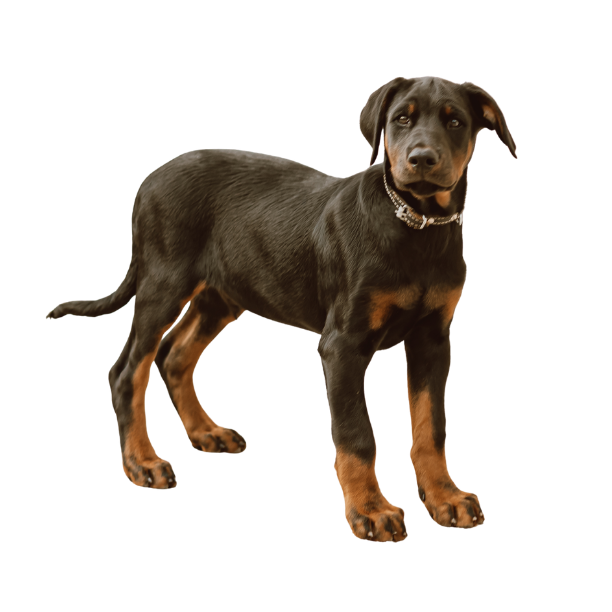
Compare Popular Dog Breeds
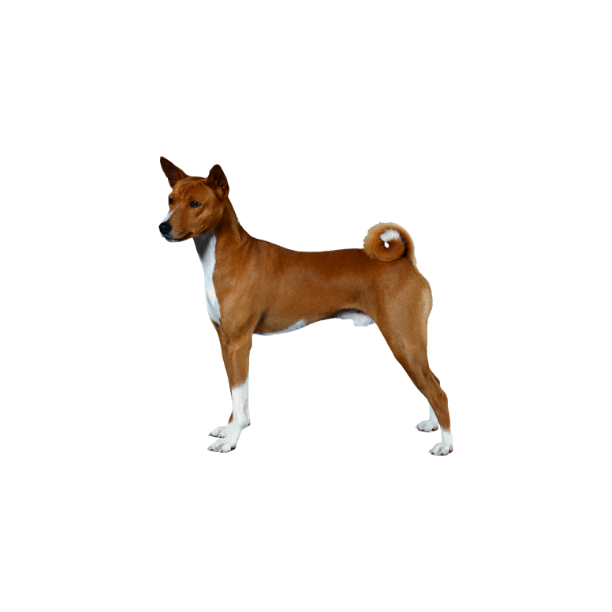
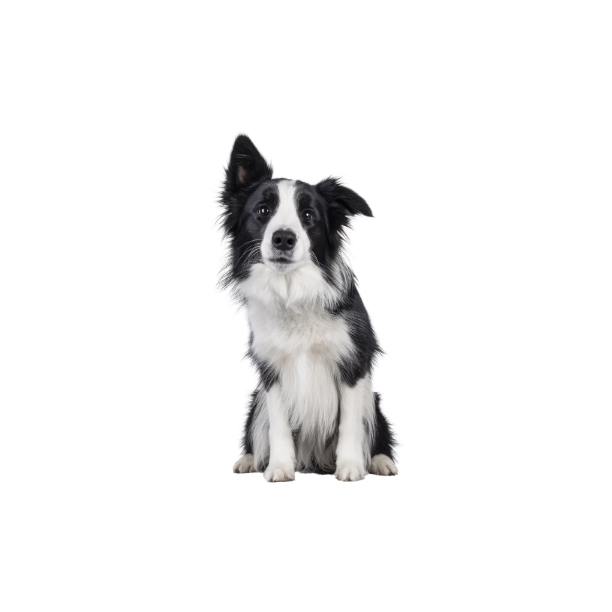
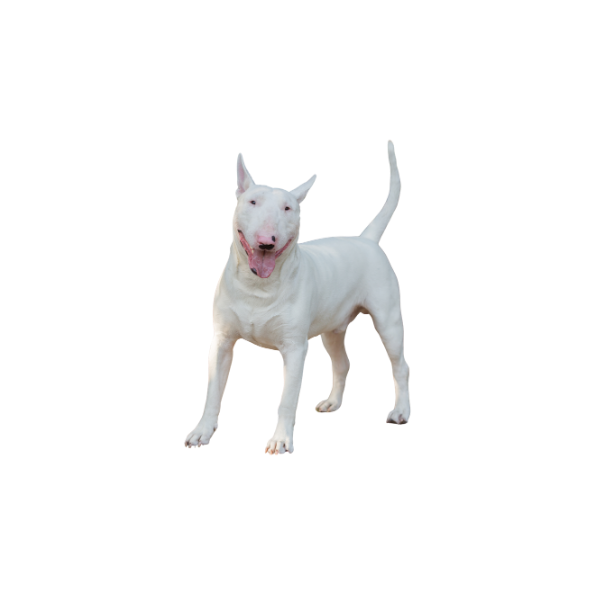
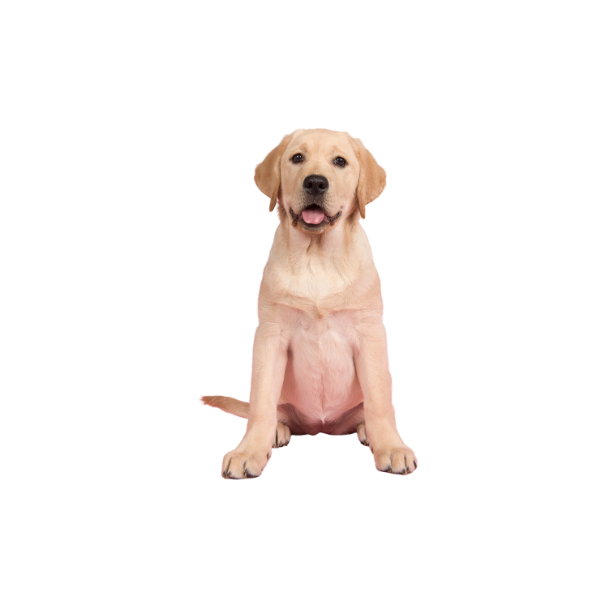
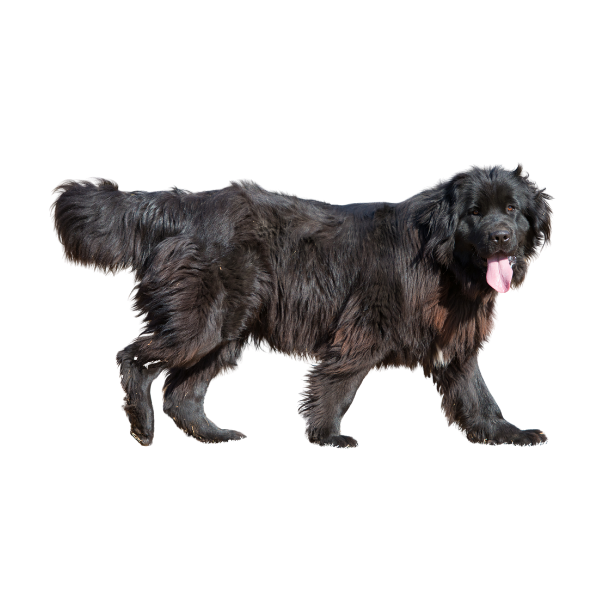
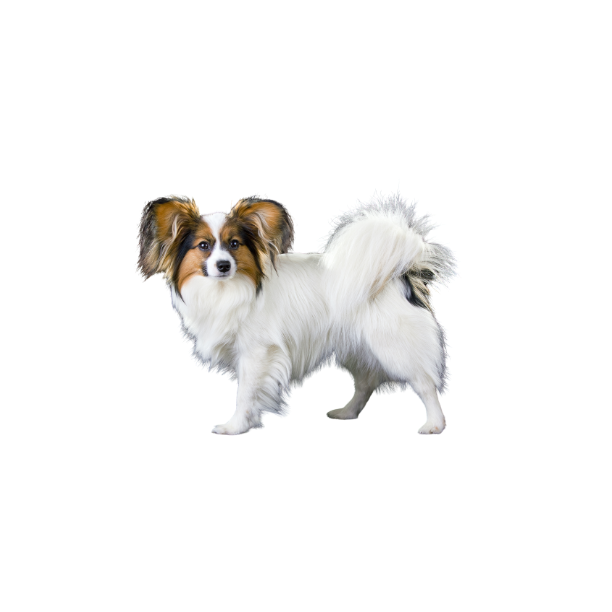
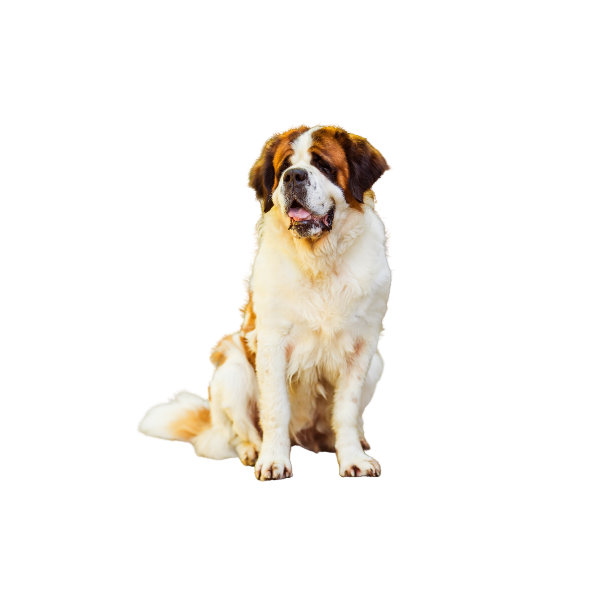
Whether you're looking for a playful family pet, a loyal protector, or a low-maintenance companion, our dog breeds comparison guide helps you compare dogs across key categories, from playfulness and trainability to energy level and grooming needs.
With simple ratings and clear insights finding your ideal four-legged companion becomes a lot more straightforward.
How the Chow Chow interacts with family, friends and other dogs
The Chow Chow's social side explained
The Chow is deeply devoted to family members and often forms especially strong bonds with the people who raise them. Unlike many highly social dogs, this breed tends to be selective with affection and usually prefers familiar faces over strangers.
Many Chow Chows can live happily with children when raised together and properly supervised. Respectful children generally have the best relationships with this breed. Rough handling or excessive excitement may not be appreciated.
When it comes to other dogs, early socialization makes a major difference. Some Chow Chows remain calm and polite, while others can be territorial or reserved around unfamiliar dogs.
Protectiveness is one of the breed's defining characteristics. A Chow naturally watches over the home without excessive barking. Rather than seeking attention from every visitor, this companion often observes first and decides later whether someone is trustworthy. This calm confidence helps set the breed apart from many other guard-oriented dogs.