
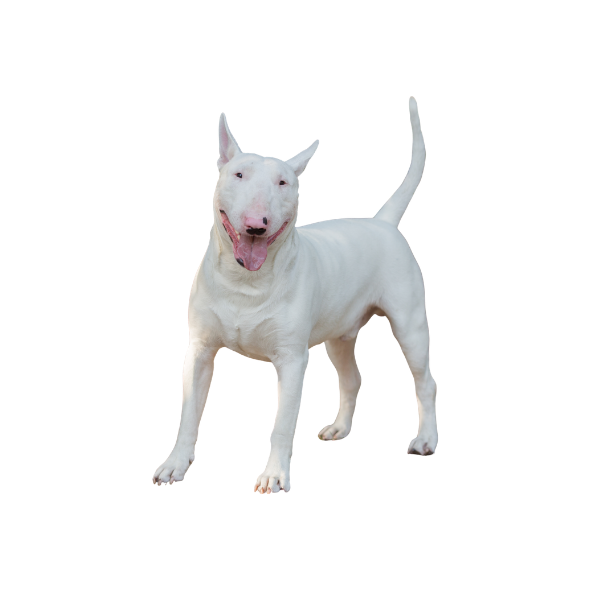
Bull Terrier

terrier

12-13 years

England
Living with a Bull Terrier: A loyal companion for active homes
The Bull Terrier is a lively and loyal dog that bonds deeply with its family. This companion thrives in homes where children, structure, and attention are part of daily life.
Trainability & behavior of the Bull Terrier
Bull Terrier behavior: training response, energy needs, barking habits
Training a Bull Terrier works best when started early. This breed is intelligent but can be strong-willed, which makes training both rewarding and consistent. They respond best to calm, structured guidance and clear routines.






Energy levels are high, so daily activity is important to keep this companion balanced. Without enough stimulation, they may become restless indoors.
Barking is usually moderate, often used for alerting or excitement. This breed stands out because they need both mental and physical engagement, especially in family homes.
Keeping a Bull Terrier healthy, clean and happy
Shedding, grooming and drooling: What to expect
The Bull Terrier has a short, smooth coat that is fairly easy to maintain. Regular brushing helps manage light shedding and keeps the coat healthy.
Drooling is generally low, which many families appreciate.





What makes this companion different is the simplicity of coat care combined with the need for active daily engagement rather than grooming-heavy maintenance.
Size, weight & lifespan of the Bull Terrier: Compact strength
Bull Terrier size, weight & lifespan overview
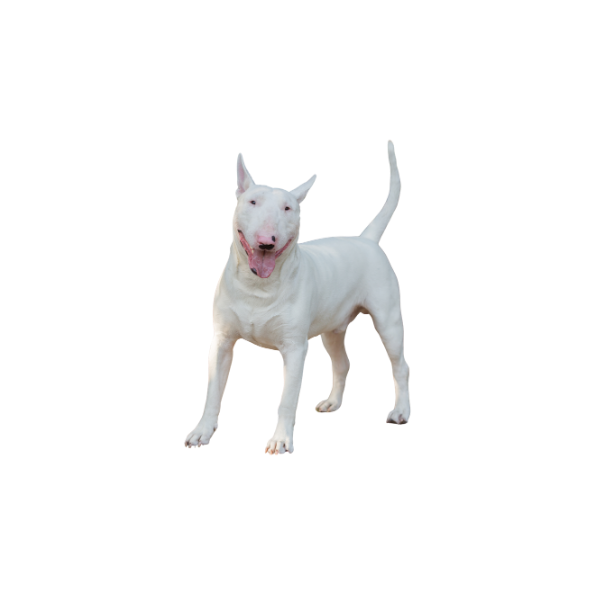
This breed is medium-sized but very muscular, with males often reaching the upper weight range. Their structure supports energetic movement and playful activity.
They generally live between 12 and 14 years. Good nutrition and regular activity help maintain their health over time.
What separates them is their athletic build combined with a cheerful, active personality that stays strong through adulthood.
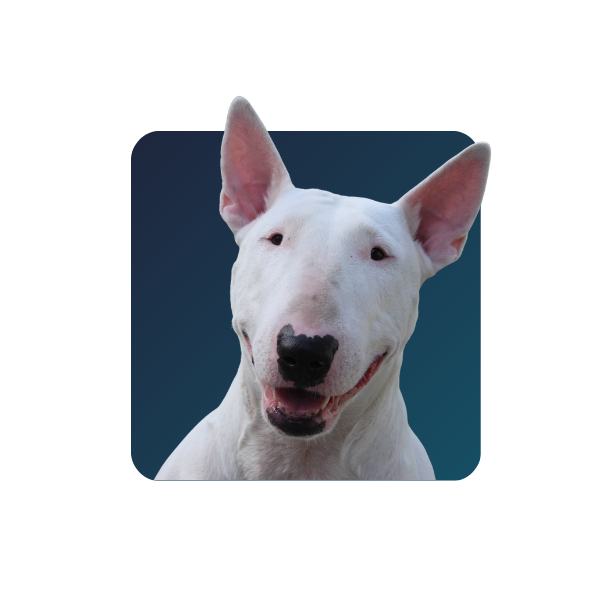
Bull Terrrier nutrition and feeding essentials
Essential nutrition for a healthy Bull Terrier
The Bull Terrier thrives on a diet designed to support strength, energy, and long-term health. High-quality protein should be the foundation of every meal, helping maintain the breed's naturally muscular build. Moderate fat levels provide fuel for daily activities without contributing to unnecessary weight gain.
This breed can be sensitive to dietary imbalances, so nutrient quality is often more important than quantity. Vitamins, minerals, antioxidants, and fatty acids all play a role in supporting healthy skin, coat condition, and overall wellness.
Careful portion control helps prevent obesity, especially in less active adults. Regular weight checks can help owners adjust food amounts before excess weight becomes a problem.
Finding the right food for your Bull Terrier
Bull Terriers can thrive on several feeding approaches when the food meets their nutritional needs. Dry kibble remains the most common option because it is easy to store, serve, and portion accurately.
Wet food often appeals to dogs that enjoy stronger flavors and softer textures. It may also help increase water intake. Mixed feeding allows owners to combine the benefits of both formats.
Fresh and raw diets can work well for some Bull Terriers, but they require additional attention to nutrient balance. Veterinary guidance is recommended before making major dietary changes.
How to feed a Bull Terrier puppy
Growing Bull Terrier puppies need more calories per kilogram of body weight than adults. Their meals should be specifically formulated for puppies and provide balanced nutrition for development.
Three to four daily meals are common during early puppyhood. Fresh water should always be available, and treats should be limited to avoid upsetting nutritional balance.
Foods high in salt, sugar, or unhealthy fats should be avoided. A structured feeding routine helps support healthy growth and good eating habits.
Adult Bull Terrier nutrition and weight management
Adult Bull Terriers generally do well on two balanced meals per day. Dividing food into separate meals can help maintain steady energy levels and reduce the risk of overeating.
Activity level should guide calorie intake. Highly active dogs often require more food than companions living a quieter lifestyle. Monitoring body condition regularly makes it easier to adjust portions when needed.
Maintaining a healthy weight is one of the most important factors in supporting long-term health and mobility.
Food allergies and nutritional challenges
Bull Terriers are known to experience food-related skin sensitivities more often than some other breeds. Symptoms may include itching, redness, recurring ear issues, or excessive licking of the paws.
Common triggers can include certain proteins, grains, or artificial additives. Identifying the cause often requires dietary trials under veterinary supervision.
Choosing high-quality ingredients and avoiding unnecessary fillers may help reduce the likelihood of reactions.
Bull Terrier challenges: What future owners should know
The Bull Terrier's stubborn streak
A Bull Terrier's confidence is part of their charm, but it can also create challenges. They may test rules and routines, especially during adolescence.
Clear expectations and regular training help channel that confidence in a positive direction.
Daily exercise is not optional
Bull Terriers are active dogs that need regular exercise to stay happy and balanced. A short walk around the block rarely satisfies a healthy adult Bull Terrier.
Daily play, walks, and interactive activities are important for both physical and emotional wellbeing. Mental stimulation helps prevent frustration and restlessness.
Learning to get along with other dogs
Their fearless nature can occasionally create misunderstandings with other dogs.
Early socialization helps teach appropriate manners and builds positive experiences.
Living in an apartment requires commitment
Apartment living works best when owners provide structured walks, playtime, and mental enrichment every day.
Space is less important than exercise. The key is providing enough physical and mental stimulation.
Enthusiasm can be overwhelming
This breed tends to throw its whole heart into everything it does.
Teaching impulse control helps create a more balanced and manageable companion.
Fun facts about the Bull Terrier
Bull Terriers earned the "English" designation because the breed was refined and standardized in England by breeder James Hinks during the mid-1800s. He crossed Bulldogs with various terriers to create a dog that combined strength, athleticism, and companionship.
Many Bull Terriers are famous for sudden bursts of energy, often racing around the house or garden at full speed. Owners affectionately call these episodes "zoomies."
The behavior is usually harmless and reflects the breed's playful personality.
No other breed combines the same head shape, triangular eyes, and muscular build. This unusual appearance helped establish the Bull Terrier as one of the most recognizable dogs in the world.
One of the most famous Bull Terriers in history was Willie, the beloved dog of General George S. Patton during World War II.
Willie often accompanied Patton and became well known among soldiers and military staff. The dog's confident attitude matched Patton's larger-than-life personality. People admired Willie not only because of his famous owner but also because he displayed many classic Bull Terrier traits: loyalty, courage, and a touch of stubborn charm.
Frequently Asked Questions
Are Bull Terriers good for first-time owners ?
They can be, but first-time owners should be prepared for consistent training and plenty of exercise. Their strong personality may be challenging for some beginners.
At what age is a Bull Terrier fully grown ?
Most Bull Terriers reach their adult height between 12 and 18 months, although muscle development may continue beyond that.
Do Bull Terriers have a strong prey drive ?
Many Bull Terriers enjoy chasing moving objects and small animals. Early training can help manage this instinct.
Are Bull Terriers good for families with older children ?
Yes. Their playful and energetic nature often makes them a great match for families with older children who enjoy interactive play.










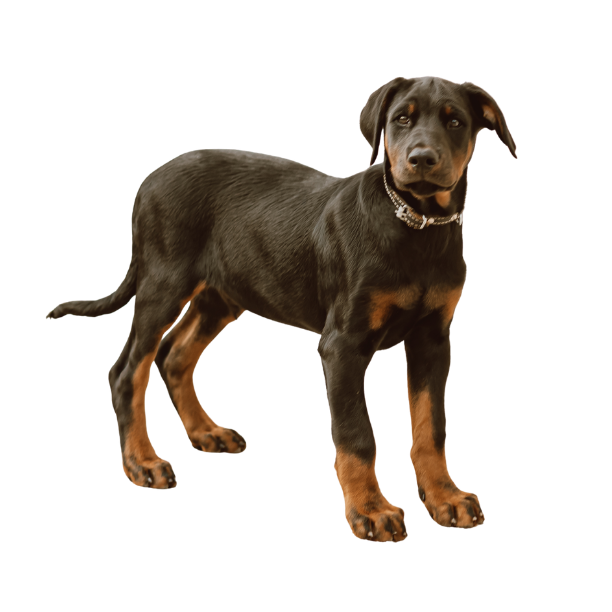
Compare Popular Dog Breeds
Whether you're looking for a playful family pet, a loyal protector, or a low-maintenance companion, our dog breeds comparison guide helps you compare dogs across key categories, from playfulness and trainability to energy level and grooming needs.
With simple ratings and clear insights finding your ideal four-legged companion becomes a lot more straightforward.
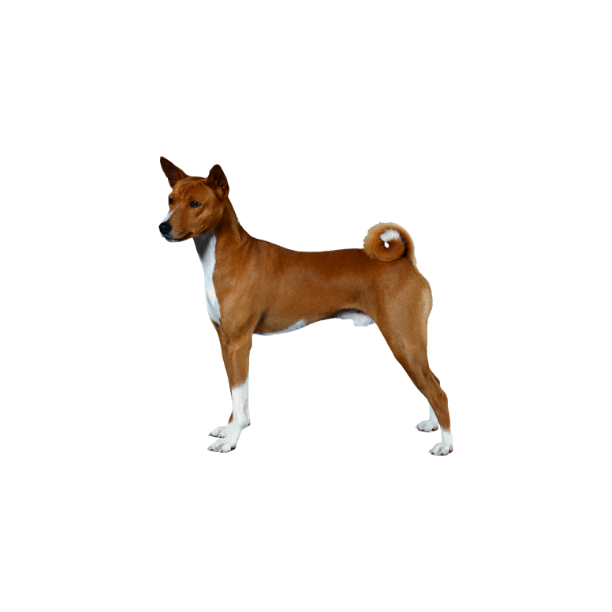
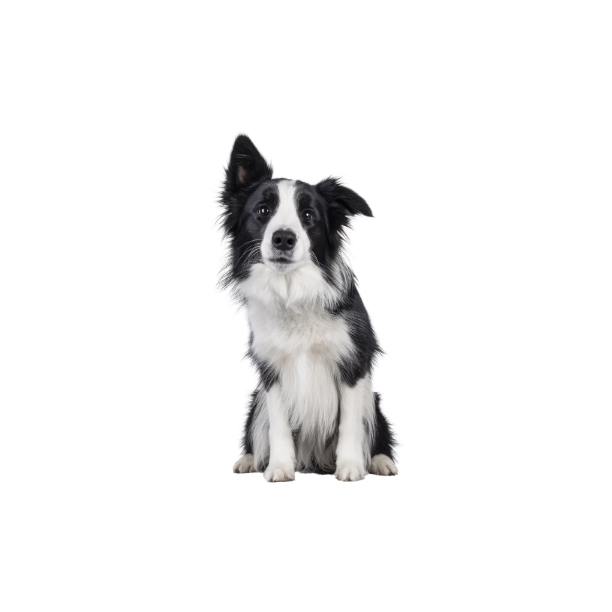
Living socially with a Bull Terrier: Loyalty, playfulness, and boundaries
Social traits of the Bull Terrier
This breed is known for being affectionate and energetic with their family. Around children, they are playful and often enjoy being part of games, though supervision helps due to their strength and enthusiasm.
Bull Terriers often approach other dogs with confidence and intensity. While this trait is part of their charm, it can sometimes be misunderstood by more reserved dogs. Their energetic play style may feel overwhelming to smaller or less confident companions. Some Bull Terriers also have a high level of determination, meaning they may continue an interaction long after another dog would have backed away.
>Owners who invest in socialization, training, and supervised interactions often see the best results. Even then, this breed is generally more selective about canine friendships than many popular family dogs.
Around strangers, this breed may seem cautious at first but usually warms up when they sense calm energy. Their protectiveness comes from loyalty rather than aggression, and they often prefer staying near their people rather than wandering off.