

Jack Russel Terrier

working

12-15 years

UK
Living with a Jack Russell Terrier: What to expect
Don't let the small size fool you. The Jack Russell Terrier is one of the most energetic and determined dogs around. This breed thrives with active families who can provide exercise, training, and daily mental challenges.
The smart but spirited nature of the Jack Russell Terrier
What to expect from a Jack Russell Terrier's behavior
Training a Jack can be both enjoyable and challenging. The breed learns commands quickly but often likes to test boundaries. Clear rules and consistent expectations are important.
The JRT's energy level is among the highest of all terrier breeds. This dog thrives when given regular opportunities to run, explore, and engage in activities.
Owners living in an apartment can succeed with this breed, but only if exercise and mental stimulation remain priorities every day.





Barking may occur when the dog becomes excited, bored, or notices unusual activity nearby. Early training helps create healthy habits.
The Jack Russell stands apart through its combination of intelligence, determination, and work ethic. This is a breed that prefers action over relaxation.
Jack Russell Terrier grooming and care essentials
Understanding the grooming requirements of the Jack Russell Terrier
The JRT is relatively easy to maintain compared to many other breeds. Whether smooth-coated, rough-coated, or broken-coated, regular brushing helps remove loose hair and keeps the coat looking tidy.
Shedding is usually moderate throughout the year. Weekly brushing can help manage loose fur around the home and reduce buildup on furniture and clothing.





One advantage for many families is that the breed produces very little drool. Owners rarely need to deal with wet jowls or frequent face cleaning.
Although grooming needs are fairly simple, regular nail trimming, ear checks, and dental care remain important. Because this dog is active and adventurous, routine inspections can help spot minor injuries early.
Jack Russell Terrier size, weight & lifespan
What makes the Jack Russell Terrier stand out?
Small in stature but large in personality, the JRT typically measures between 25 and 38 cm tall and weighs around 6 to 8 kg.
Growth is usually completed within the first year, although muscle development can continue as the dog matures.
A lifespan of 12 to 15 years is common, making this breed a long-term member of the family.

How to feed a Jack Russell Terrier
Understanding the nutritional needs of the Jack Russell Terrier
A balanced diet helps support the Jack Russell Terrier's active lifestyle. Quality proteins, controlled fat levels, vitamins, and minerals all contribute to overall health.
Calorie needs vary depending on age, exercise levels, and body condition, making regular assessment important.
Choosing the right diet for a Jack Russell Terrier
High-quality dry food can provide balanced nutrition and support dental health. Many owners choose kibble designed for active small breeds.
Wet food may improve palatability and hydration. Some families also combine wet and dry food for variety.
Fresh-food diets and carefully balanced raw diets are growing in popularity but should be formulated with professional guidance.
Feeding a Jack Russel Terrier puppy
JRT puppies grow quickly and require frequent meals. Most puppies benefit from three to four meals per day during early development.
Choose complete puppy food formulated for small breeds and avoid excessive treats or human foods. A puppy-specific formula rich in protein, healthy fats, calcium, and phosphorus supports growth.
Daily Nutrition for adult Jack Russell Terriers
Adult JRT's often do well with two meals per day. Portion sizes should reflect activity levels and body condition.
Maintaining a lean body condition supports joint health and overall fitness. Regular exercise combined with measured meals helps reduce the risk of obesity and related health concerns.
Diet related health concerns to watch for
Some Jack Russell Terriers may develop sensitivities to certain proteins, grains, or ingredients. Symptoms can include itching, digestive upset, or recurring ear issues. Monitoring reactions to new foods can help identify potential problems early.
A veterinarian can help identify triggers and recommend dietary adjustments.
Common challenges of the Jack Russell Terrier
The need for constant activity
The Jack Russell Terrier has energy to spare. Daily walks alone are rarely enough to satisfy this breed.
Providing physical exercise and problem-solving activities is one of the most important responsibilities for owners.
Stubborn moments during training
The Jack Russell Terrier learns quickly but doesn't always choose to cooperate.
Consistent training and clear boundaries are essential for building good habits and maintaining control.
A Watchdog that notices everything
The JRT is naturally alert and quick to react to unfamiliar sounds.
Without guidance, barking can become excessive, especially in busy neighborhoods or apartment settings.
Strong hunting instincts
The JRT was originally bred to hunt foxes and other small animals. Squirrels, rabbits, and other small animals can instantly capture a Jack's attention.
Reliable recall training is important, although some dogs may still require leash management.
Fun facts about the Jack Russell Terrier
The Jack Russell Terrier was developed in England during the early 1800's to assist hunters. These dogs needed courage, speed, and determination to track foxes without harming them.
Jack Russells are famous for finding creative escape routes. Their determination and intelligence can surprise even experienced dog owners.
Eddie from the TV show Frasier, Wishbone from the children's television series of the same name, and Milo from The Mask are among the most recognizable Jack Russell Terriers in entertainment history.
Whether solving literary mysteries like Wishbone, stealing scenes as Eddie, or performing energetic stunts like Milo, these dogs perfectly demonstrated the breed's versatility and confidence.
Frequently Asked Questions
Are Jack Russell Terriers good for first-time owners ?
They can be challenging for first-time owners due to their energy and independence, but dedicated owners often succeed.
Are Jack Russell Terriers good family dogs ?
For active families, the Jack Russell Terrier can be a loyal, playful, and entertaining family companion that enjoys being involved in everyday life.
Can a Jack Russell Terrier live in an apartment ?
Yes, but only if daily exercise and mental stimulation needs are consistently met.
Do Jack Russell Terriers bark a lot ?
They can be vocal. Their alert nature makes barking common, although training can help manage excessive barking.












Compare Popular Dog Breeds
Whether you're looking for a playful family pet, a loyal protector, or a low-maintenance companion, our dog breeds comparison guide helps you compare dogs across key categories, from playfulness and trainability to energy level and grooming needs.
With simple ratings and clear insights finding your ideal four-legged companion becomes a lot more straightforward.
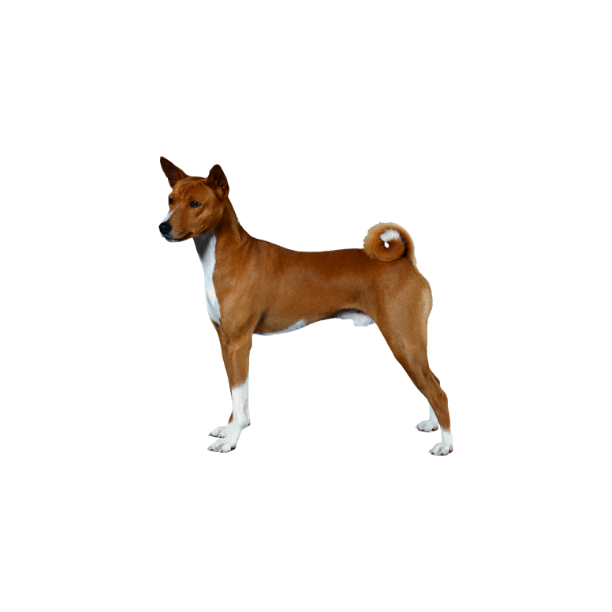











The friendly and fearless side of the Jack Russell Terrier
Understanding the Jack Russell Terrier's playful and protective nature
The Jack Russell Terrier (JRT) is a highly social breed that forms strong bonds with family members. This dog often enjoys being involved in daily activities and rarely likes being left out of the action. Many families appreciate the breed's enthusiasm and loyalty.
With children, the JRT can be affectionate and playful when interactions are respectful. Older kids often match this breed's energy level particularly well. Because of their excitement and speed, supervision around very young children is recommended.
Around other dogs, experiences can vary. Early socialization helps, but the breed's terrier instincts can sometimes create challenges with unfamiliar dogs.
Strangers are usually greeted with curiosity rather than fear. Some Jack Russells can be protective and alert, making them excellent watchdogs.